
3 Best Volleyball Knee Pads In 2026 & How To Wear Them


Volleyball is often viewed as a “soft” sport, but anyone who has played seriously knows it can be surprisingly painful. Because there’s no constant physical contact with an opponent, many people assume volleyball is easy and low‑risk. In reality, the sport comes with its own set of injury concerns—especially when it comes to joint impact. Volleyball involves frequent dives, and most of those dives land directly on the knees. Hitting the floor at full speed puts tremendous pressure on the knee joints, which is why wearing proper volleyball knee pads is essential for beginners learning how to dive safely. To ensure maximum protection, consider investing in the best volleyball knee pads available.
Protecting your knees starts with choosing high‑quality knee pads. There are many reputable brands on the market, including Adidas and NineSquared, each offering different designs, fits, and levels of protection. In recent years, more players—especially men—have started wearing basketball‑style knee pads because of their modern look and slimmer profile. Throughout my career as a professional libero, I’ve worn a wide range of knee pads and have also played without them, giving me firsthand experience with how much of a difference good knee pads can make.
Best 3 volleyball Knee pads:
- Mizuno LR6 Knee pads (Best knee pads for Libero)
- Adidas PrimekNit Volleyball Knee Pads (Best Knee Pads for Outside hitter )
- Mcdavid (Best knee pads for Opposite and Middle blocker )
1. Mizuno LR6 Knee pads (Best Performance)
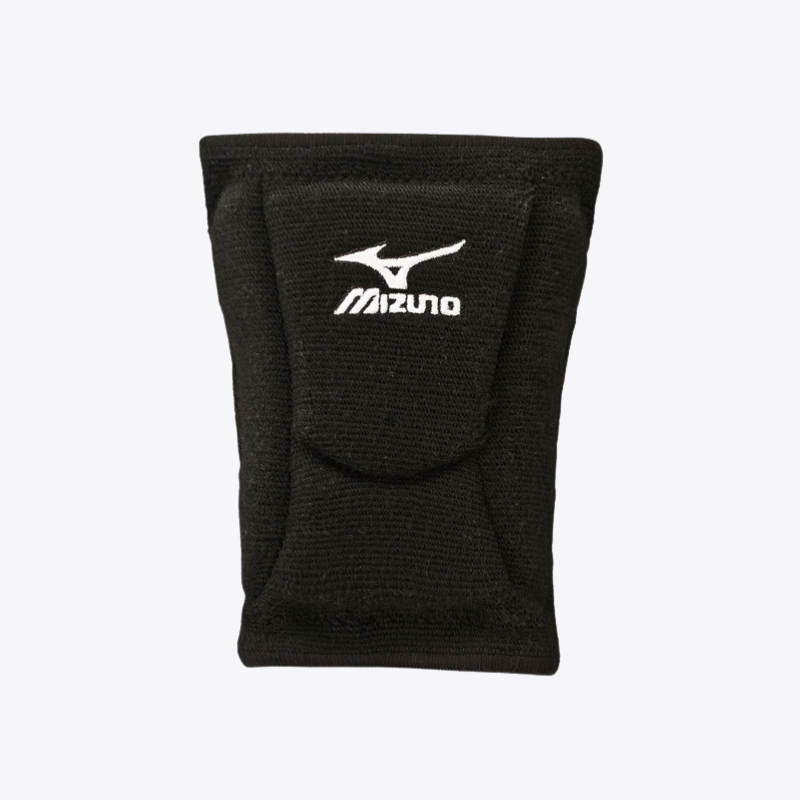
Mizuno LR6 Knee Pads offer minimalist design with maximum protection. They feature tri-density zones and lightweight energy-returning foam, providing excellent impact resistance and flexibility for volleyball players. (Best knee pads for liberos)
Rating
10/10
2. Adidas PrimekNit Volleyball Knee Pads (Best Volleyball Knee Pads Overall)
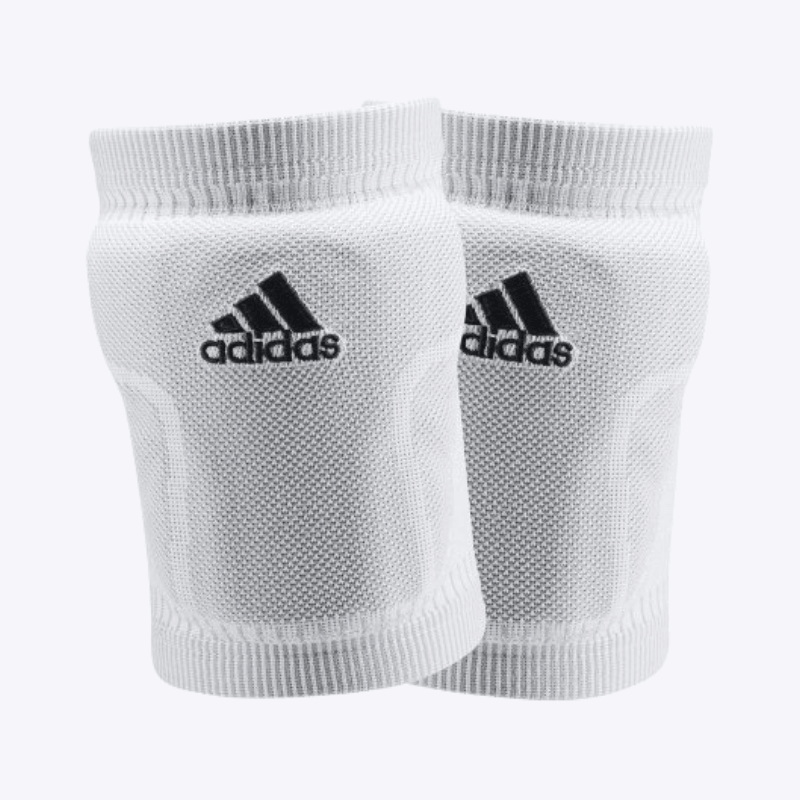
Adidas Primeknit Volleyball Knee Pads offer superior comfort and protection with their seamless construction. They feature ventilation holes for breathability and are made with at least 50% recycled materials. (Best knee pads for outside hitters)
Rating
9.4/10
3. Mcdavid HEX Knee Pads (Most Stylish)
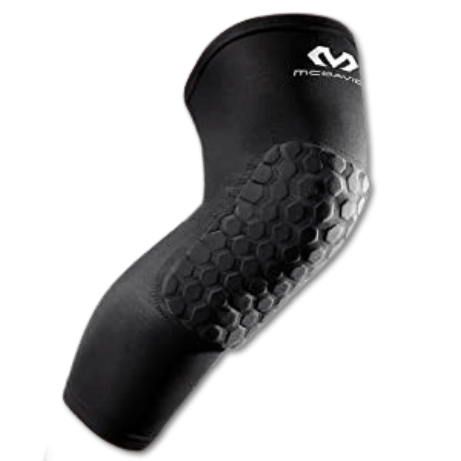
McDavid HEX Knee Pads offer excellent protection and comfort with their HEX technology. They provide superior impact resistance, moisture-wicking fabric, and a snug fit, making them ideal for volleyball players. (Best knee pads for opposites and middle blockers)
Rating
8/10
| Name | Price | |
|---|---|---|
| Mizuno LR6 Knee Pads | Best Performance | $29.95 |
| Adidas Elite Volleyball Knee Pads | Best Overall | $26.95 |
| Mcdavid Knee pads | Best Looks | $39.99 |
How to wear knee pads
The type of kneepad you choose depends largely on how you prefer to wear them. In general, men and women tend to wear kneepads differently, and men typically wear them less often. This difference is mostly due to the contrasting styles of play between men’s and women’s volleyball.
Create Confidence!
Kneepads aren’t mandatory, but they can give new or inexperienced players a sense of confidence on the court. By protecting the knees from floor burns and impact, kneepads reduce the fear of diving and sliding.
For more experienced players, kneepads may feel unnecessary or even restrictive. Personally, I wear them for protection—shielding my knees from burns, helping with controlled dives, and because I often end up on the floor. For me, kneepads serve a very practical purpose.
Use Them to Your Advantage
Some players see kneepads as a disadvantage. I’ve played with and against many athletes who avoid wearing them because they believe kneepads encourage “cheating,” meaning players drop to their knees too quickly. If you’re an intermediate‑ or advanced‑level player, try practicing without kneepads occasionally. Doing so forces you to stay on your feet longer, react faster, and avoid unnecessary dives. Over time, this can improve your defensive technique and overall movement efficiency.
Other players wear kneepads simply for comfort. Similar to NBA players who use knee sleeves, some volleyball athletes appreciate the warmth, support, and psychological reassurance kneepads provide. When your knees feel protected, diving becomes less intimidating, and you’re more willing to commit to the play. Still, practicing without kneepads from time to time can help refine your technique.
Common Ways to Wear Kneepads
There are two main ways players typically wear kneepads:
1. Below the Kneecap
You pull the kneepad up so it sits just below the kneecap, protecting the lower part of the knee. I prefer this method because when kneeling, only the lower portion of the knee usually contacts the floor. It also avoids the tight elastic band squeezing the thigh. This style is often referred to as the “classic American” method.
2. Over the Kneecap
The other option is to pull the kneepad fully over the knee so the entire joint is covered. With the elastic band resting on the thigh, the kneepad stays in place more easily. Longer kneepad designs also help keep the joint warm and provide additional protection.
Hopefully, this gives you a clearer idea of which kneepads to bring to your next practice. A quality pair can significantly reduce the risk of unnecessary injuries and bruises. If you have suggestions for kneepads we should add to our list, feel free to leave a comment below.
FAQ
Do volleyball players need to wear knee pads?
Yes—especially beginners. Knee pads protect the knees and skin when diving or sliding on the court. Once you’ve mastered proper diving technique, you may choose to wear them less often.
What type of knee pads do volleyball players wear?
There are two main types:
– Short‑sleeve volleyball knee pads (traditional, thicker padding)
– Basketball‑style long‑sleeve knee pads, which are becoming increasingly popular, especially among male players. Brands like McDavid offer long‑sleeve options that many volleyball athletes now use.