
Our reviews may contain affiliate links. If you choose to buy through them, we may earn a small commission that helps support our independent evaluations. Why Trust Us?
Best Volleyball Shoes 2026: 11 Top Picks Reviewed & Compared
VolleyGuide » Volleyball Equipment | Shoes, Gear & Accessories
By Urban Toman

I have competed in the European Championships and played in five professional volleyball leagues, so I’ve worn my fair share of volleyball shoes. The purpose of this article is to help you narrow down the options and find the shoes that will genuinely elevate your performance. Let me help you lace up the right way.
My Picks For Top Volleyball Shoes
1. Best Men’s Volleyball Shoes 2026
Nike Zoom Hyperace 3
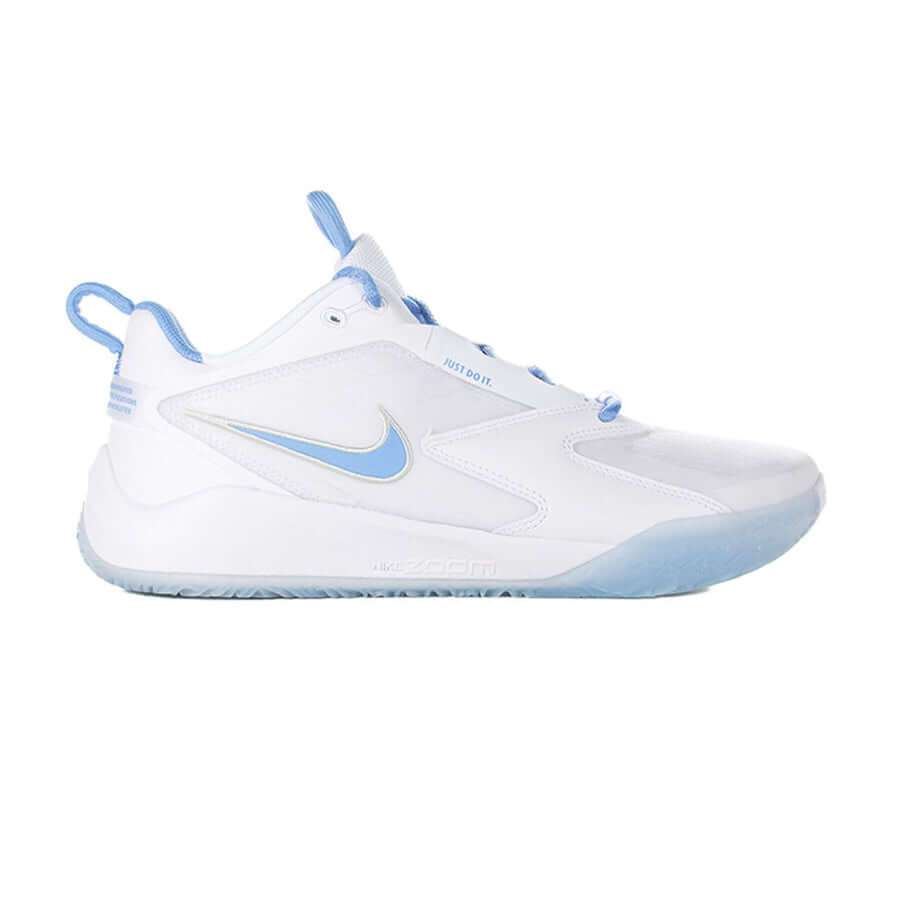
Best of the Best in 2026: The HyperAce 3 delivers all‑around performance: excellent grip, strong ankle stability, and a roomy, comfortable toe box. Compared to the HyperAce 2, this model has been significantly upgraded with better support, improved toe‑box space, and enhanced durability designed to withstand months of intense play.
Design: Clean and minimal. While they may not last as long as some of Mizuno’s “tank‑like” models, the durability has improved noticeably. More importantly, the HyperAce 3 fits almost every type of player. Whether you’re flying high as an opposite hitter or digging everything as a libero, these shoes will get the job done.
Only Drawback: No mid‑top version. It’s a bit disappointing if you prefer extra ankle protection, as the HyperAce 3 is available only as a low‑top. Still, considering overall performance, comfort, and versatility, the Nike Zoom HyperAce 3 is my top‑rated Men’s volleyball shoe of the year.
Pros:
- Lightweight
- Responsive
- Durable
Cons:
Pricey
Rating:
9.7/10
2. Best women’s volleyball shoes 2026
Adidas Crazyflight 6 M Low
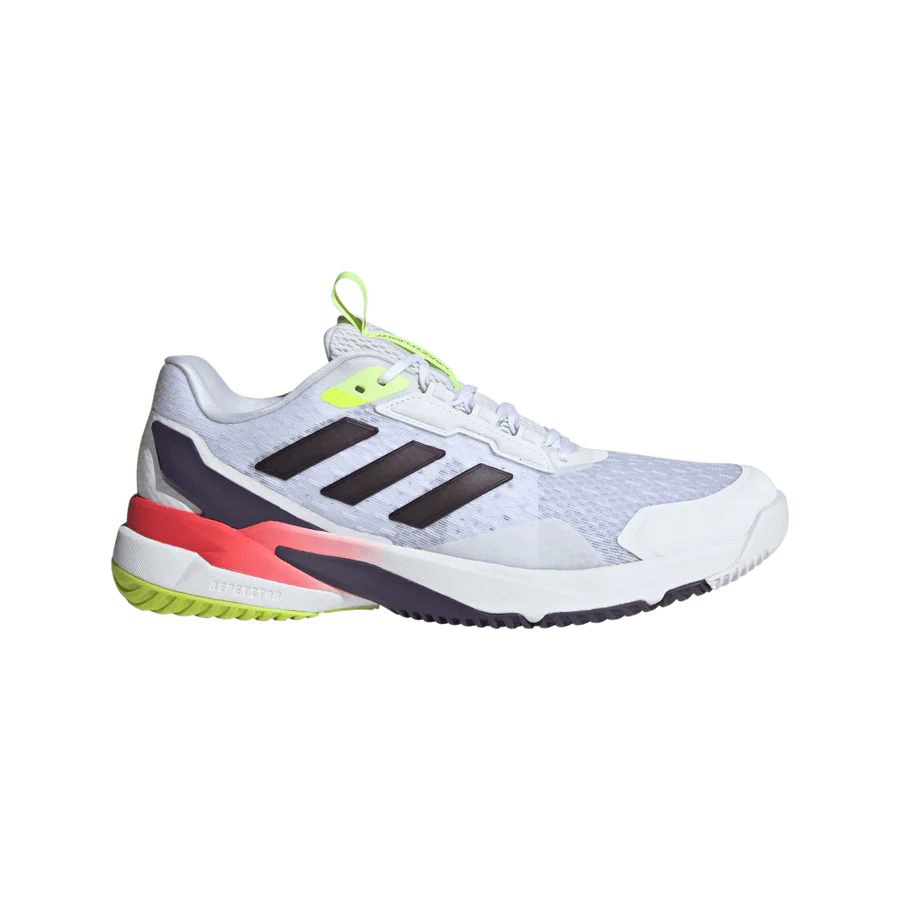
The Adidas CrazyFlight 6 Low is another strong entry in the CrazyFlight line. It maintains the same bounce, grip, and lightweight feel that players loved in previous versions. The Boost cushioning still provides excellent “spring” when you jump. The only drawback is that after a couple of months, the Boost tends to lose some of its original shape, which can slightly reduce its impact‑absorption performance.
In terms of traction, both the CrazyFlights and the HyperAce 3s perform well; however, in my experience, the HyperAce 3 still has the advantage in overall grip. That said, the CrazyFlight 6 M Low has one major benefit: the CrazyFlight line offers a mid‑top version. This is a huge advantage if you need stronger ankle support.
To be honest, the competition between the HyperAce 3 and the CrazyFlight 6 M Low is closer than ever. Choosing either pair is a smart decision for your feet.
They also come in a wide range of colorways, which is one of the main reasons I chose them as the best overall volleyball shoes for women.
Pros:
- Traction
- Stability
- Lightweight
Cons
- Cushioning
Rating:
9.4/10
3. Best Volleyball Shoes For Setters
Nike Zoom Hyperset 2
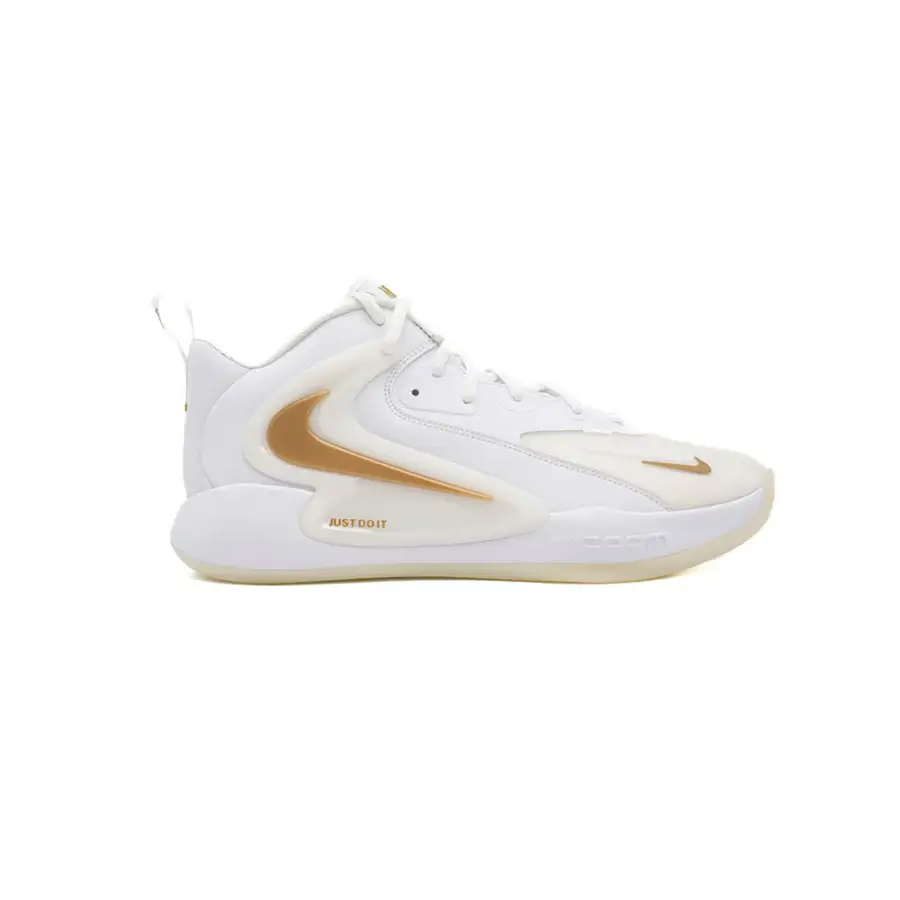
Taking the third spot is Nike’s latest model — the Zoom Hyperset 2. It features a solid rubber outsole with a unique wavy traction pattern (similar to what you’d see on basketball shoes), and it definitely delivers strong grip on the court. Inside, Zoom Air units in both the heel and forefoot provide extra cushioning, while the Phylon midsole keeps the shoe lightweight and responsive. The breathable upper rounds everything out with a snug, comfortable fit.
I’ll be honest — the price tag is a bit higher than the first two shoes on this list, and the performance difference isn’t massive. However, for setters, the Hyperset 2 are an ideal match. If you want a solid, lightweight shoe with that signature Nike feel, the Hyperset 2 is a strong option, even if it doesn’t quite outperform the top two picks.
Pros:
- Traction
- Support
- Lightweight
Cons:
- Durability
Rating:
9/10
4. Best Volleyball Shoes For Liberos
ASICS Sky Elite FF 3

The Sky Elite FF 3 by ASICS takes the number 4 spot. I’ve always been somewhat skeptical of ASICS as a brand, but they did an excellent job with this model. While it doesn’t quite match the top two shoes in overall performance, it offers a very strong balance of comfort, support, and responsiveness.The traction is also outstanding — the grip stays consistent whether you’re sprinting across a slick parquet floor and that’s why those are my top choice for liberos.
These shoes can take a beating (even on dusty floors) while still delivering the explosive jumping ability many players need. ASICS also offers both low‑top and high‑top versions. The high‑top design adds extra ankle support, making it very good choice for hitters or opposites.
The only downside is durability — the Sky Elite FF 3 won’t last as long as some competing models and will likely need replacing sooner. However, in terms of pure performance, the Sky Elite FF 3 truly excels.
Pros:
- Stability
- Cushioning
- Traction
Cons:
- Durability
Rating:
8.8/10
5. Volleyball Shoes With Best Traction
Adidas Court Stabil
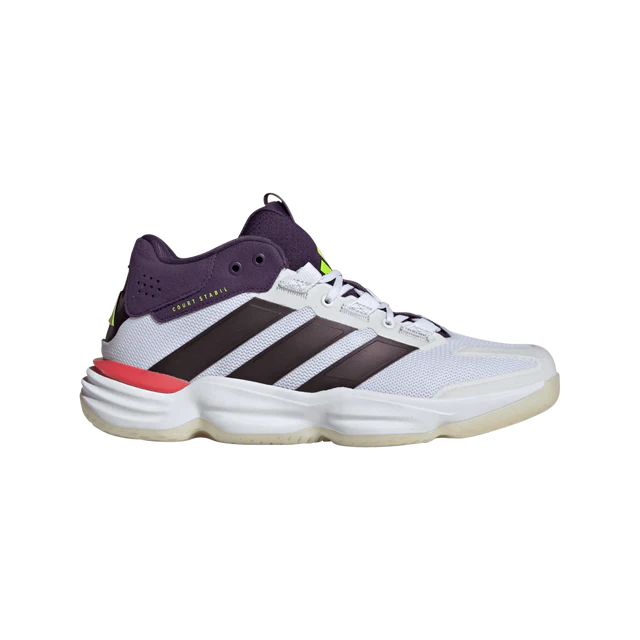
Thanks to their grippy outsole and sturdy construction, the Adidas Court Stabiles are becoming an increasingly popular choice between volleyball players, although they are meant for primarily for handball. While the cushioning is minimal — with the design focused more on support than comfort — these shoes are not ideal for hitters or blockers who need strong shock absorption.
However, for setters and liberos, the Court Stabiles perform extremely well. They sit low to the ground, feel highly responsive, and offer excellent stability and in my opinion the best grip on volleyball shoes.
The main drawback is the durability of the upper material. After extended use, this area may begin to show signs of wear. Even so, the Court Stabiles remain sturdy, dependable, and deserving of their number five ranking.
Pros:
- Comfort
- Support
- Traction
Cons:
- Expensive
- Durability
Rating:
8.5/10
6. Best Volleyball Shoes For Middle Blocker or Opposite
Mizuno Wave Momentum 3
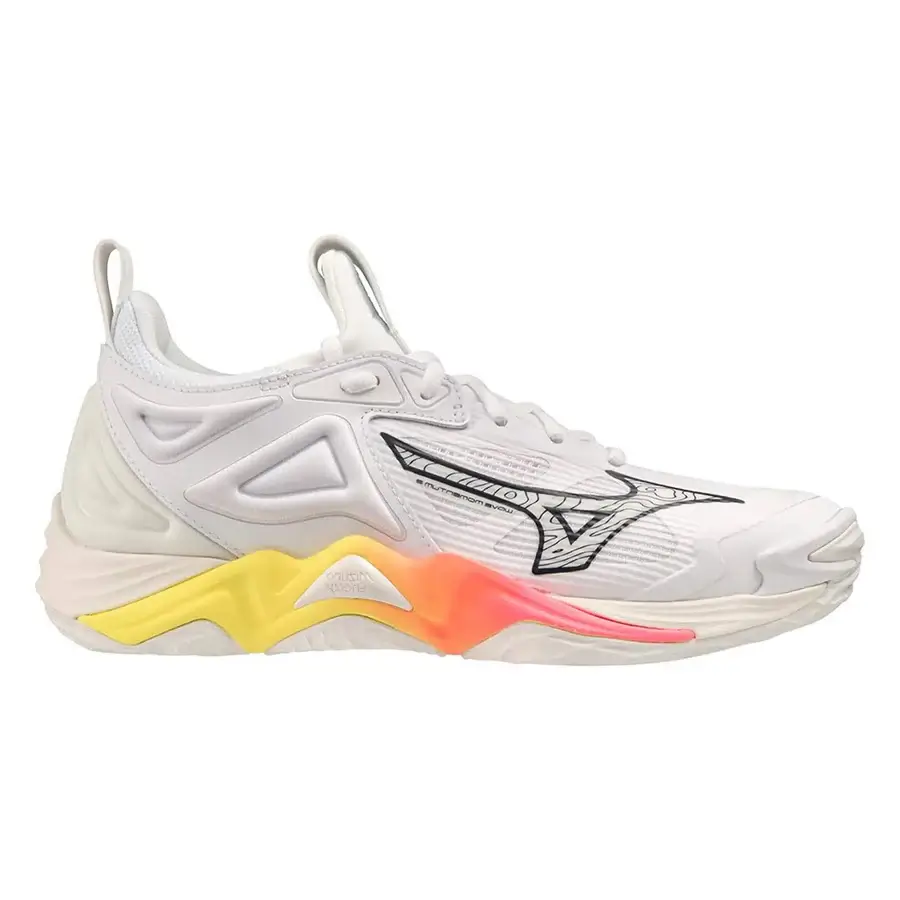
The top Mizuno shoe for this year is the Mizuno Wave Momentum 3 — the latest version of this high‑performance model featuring Mizuno’s patented Foam Wave technology for superior shock absorption and overall stability. Compared to the previous version, the Momentum 3 includes a significantly improved heel lock for added stability and a more secure lacing system that keeps the foot firmly in place during play.
With its wider forefoot and added outrigger design, this shoe provides a very stable platform for movement. The updated traction pattern also enhances your ability to maintain a strong, consistent grip on all types of indoor court surfaces.
While these features sound impressive on paper, there are a couple of drawbacks worth mentioning. The shoe is slightly heavier than average, which may be a concern for lighter players. Additionally, the Momentum 3 can feel a bit stiff when first laced up — not the most comfortable “out‑of‑the‑box” experience. However, for players with a larger build (such as middle blockers and opposite hitters), the added support and stability are likely to be a major advantage.
Pros
- Comfort
- Stability
- Durability
- Grip
- Great for wide feet
Cons
- Cost
- Breathability
Rating:
8.2/10
7. Best Lightweight Volleyball Shoes
adidas Novaflight 2
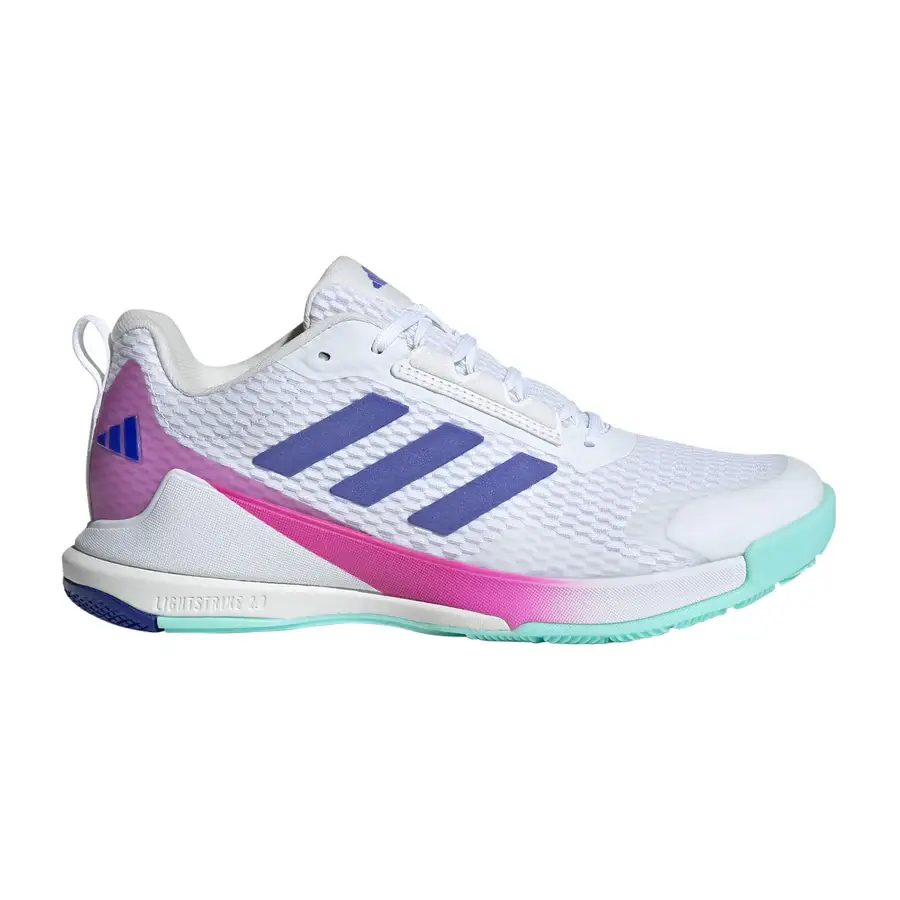
Coming in at number seven on the list is the Adidas Novaflight 2. The Novaflight 2 is the second‑best Adidas model available today. Unlike the CrazyFlight, which uses Boost cushioning, the Novaflight 2 features Bounce technology. While Bounce is slightly less cushy than Boost, it is significantly more durable, meaning the Novaflight 2 will maintain its performance for a longer period of time. The shoe also includes a highly breathable mesh upper that promotes airflow to keep your feet cool during play, and the rubber outsole with a herringbone tread pattern provides excellent traction — equal to, or even better than, what you’d expect from a high‑end shoe.
Lightweight and snug‑fitting (ideal for agility and sharp directional changes), the standout characteristic of the Novaflight 2 is its combination of a lightweight feel and a secure, locked‑in fit.
The downside is the lack of ankle support, which makes it less suitable for middle blockers or hitters who rely on additional stability. However, for liberos and setters who want a light, fast shoe that allows quick movement and responsiveness, the Novaflight 2 is an excellent choice.
Pros:
- Lightweight
- Responsive
- Durable
Cons:
- Support
- Fit
Rating:
8/10
8. Best Volleyball Shoes For Outside Hitters
ASICS Netburner Ballistic FF MT 4
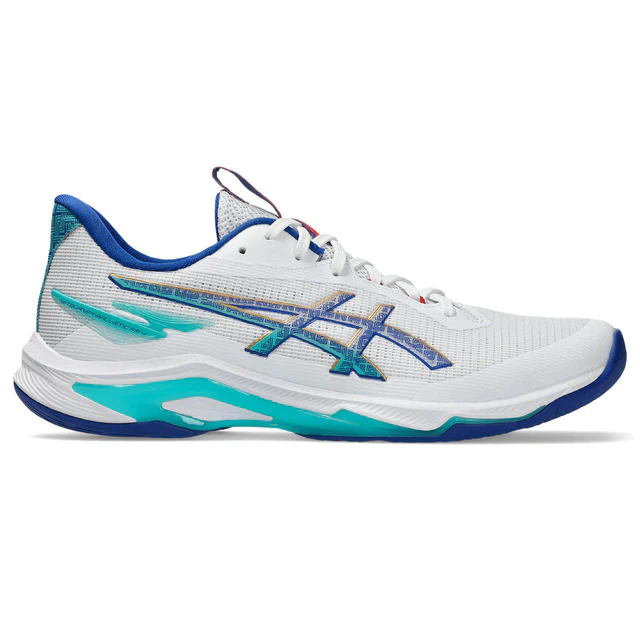
Next on the list is the ASICS Netburner Ballistic FF MT 4. While they may look similar to the ASICS Sky Elite, they deliver the same high level of quality and performance. The biggest difference is that the Netburner Ballistic FF MT 4 is currently available only as a mid‑top model.
These shoes offer an excellent balance of court feel and stability. They’re ideal for players such as setters and liberos, who need to move quickly and make precise, controlled movements. The cushioning is solid — not as plush as some elite models, but comfortable enough to handle long matches without issue.
The standout feature is the additional ankle support provided by the mid‑top design. This was missing in the previous version and now offers more stability which makes them top choice for outside hitters and even some opposite hitters. However, if you’re a middle blocker who jumps frequently and lands with high force, you may prefer a shoe with stronger impact absorption.
Pros:
- Traction
- Stability
- Lockdown
Cons:
- Only Low-top model avaliable
- Cushioning
Rating:
8/10
9. Best Volleyball Shoes For Kids
ASICS Youth Upcourt 6 GS
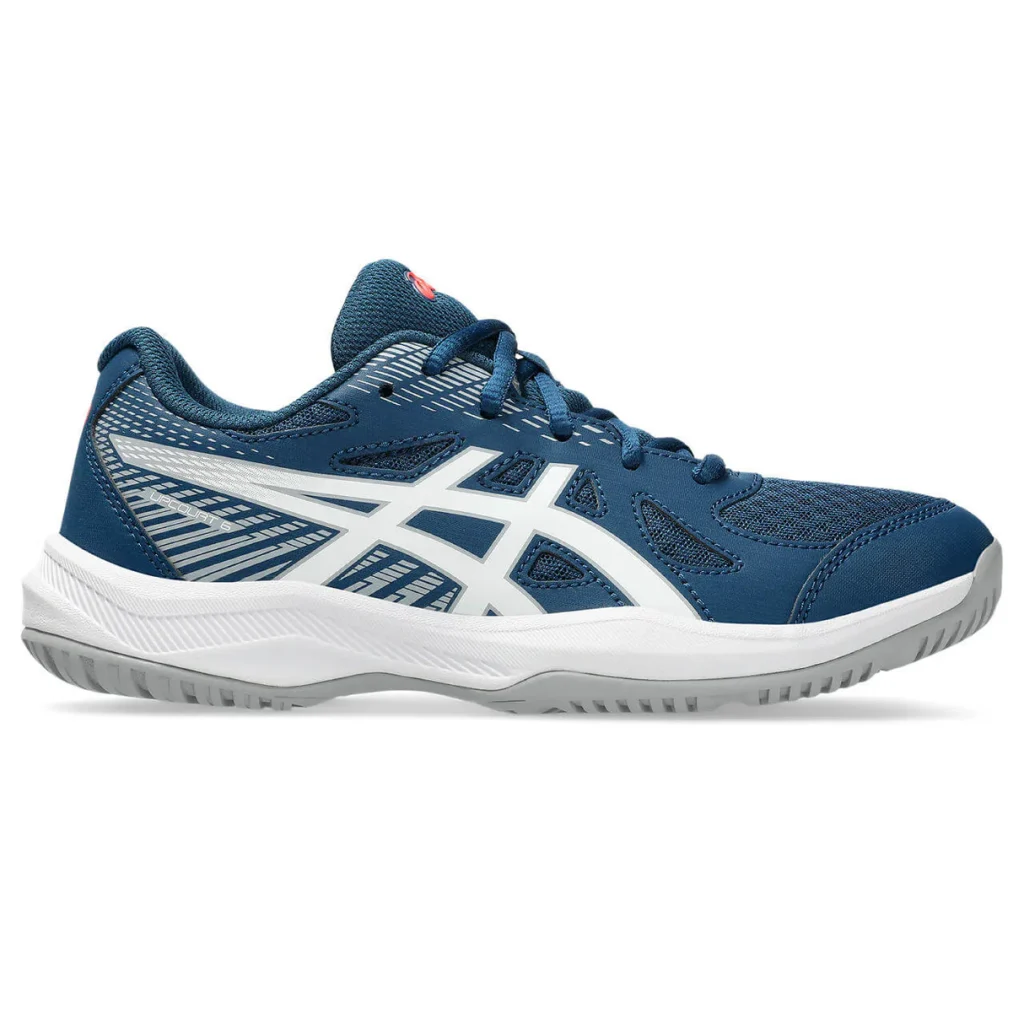
The ASICS Youth Upcourt 6 GS is one of the most complete shoes for young volleyball players thanks to its lightweight feel, reliable traction, and supportive construction. It provides a stable foundation for developing footwork and offers enough cushioning to protect growing joints during jumps and quick movements. The shoe is also highly durable and designed with the comfort and needs of youth athletes in mind. Overall, it’s the top choice for young players at any skill level.
Pros:
- Price
- Cushioning
- Comfort
Cons:
- Durability
Rating:
7.9/10
10. Best Budget Volleyball Shoes
ASICS Gel-Rocket 12
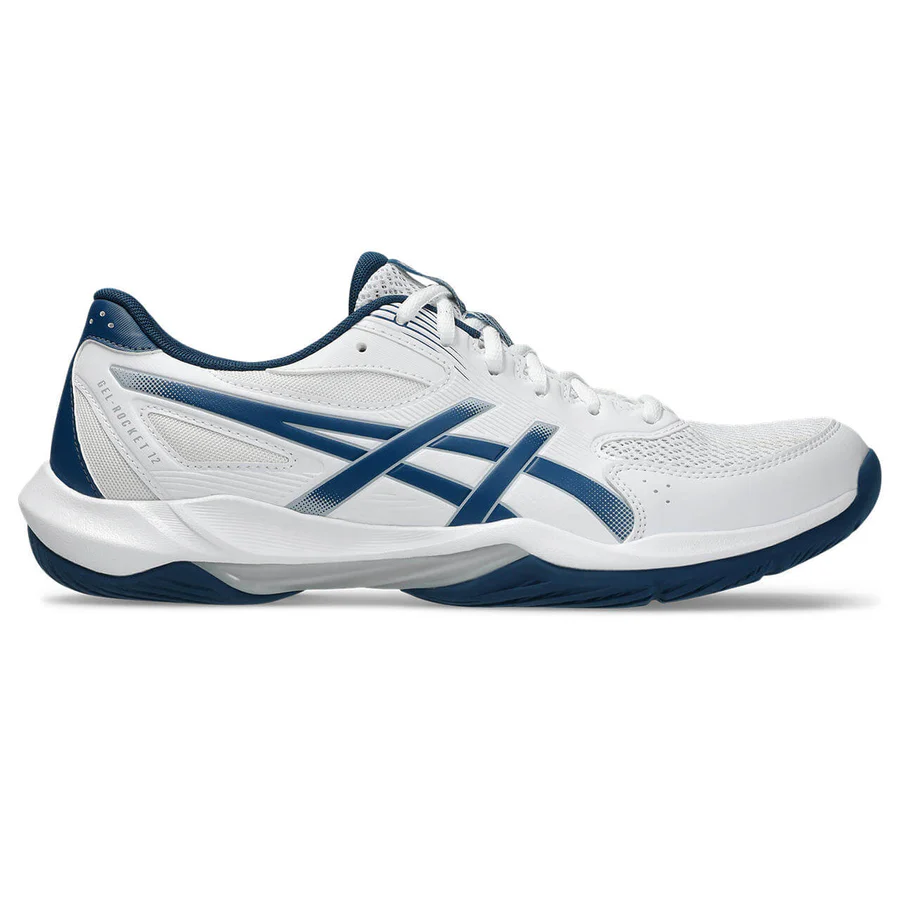
Rounding out our list is the ASICS Gel‑Rocket 12 — still the most affordable, budget‑friendly shoe to make the cut. For the price, the traction and comfort are surprisingly impressive, making this a cost‑effective option for players who want reliable performance without spending too much.
These shoes are not without flaws. Ankle support and long‑term durability could certainly be better. However, the Gel‑Rocket 12 offers excellent lateral support thanks to the wrap‑around outsole design and outrigger, which help prevent the foot from rolling outward during quick movements. The flexion grooves in the forefoot also promote a smooth, natural range of motion as you move around the court.
Overall, the Gel‑Rocket 12 delivers exceptional value for money. While there are plenty of strong options across all price ranges, very few shoes offer this much performance at such a low cost. They’re ideal for players who don’t plan to compete in high‑level tournament environments, and for liberos or setters on a tight budget, the Gel‑Rocket 12 is one of the best choices available.
Pros:
- Grip
- Comfort
- Cushioning
- Value
Cons:
- Durability
- Ankle support
Rating:
7.5/10
11. Best Basketball Shoes For Volleyball
Nike Lebron 21
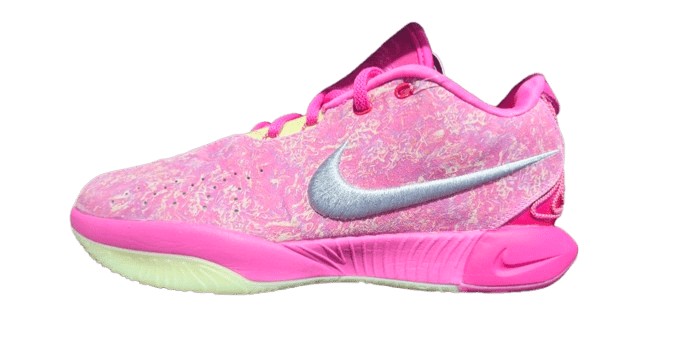
In my opinion, the Nike LeBron 21 is one of the most comfortable — and best — basketball shoes for volleyball. Here’s why:
First, the upper of the Nike LeBron 21 has a plush, premium feel. The sphere‑liner collar wraps around the ankle for a snug, supportive fit, and the added leather shroud enhances overall comfort.
Second, what truly sets the LeBron 21 apart is its cushioning system. The Zoom Turbo unit in the forefoot provides responsive, spring‑like cushioning, while the 13.5 mm Zoom Air unit in the heel delivers excellent impact protection when landing from high jumps.
Lastly, the outsole is engineered for maximum traction on indoor courts and includes an outrigger for increased stability and control during fast lateral movements.
In terms of performance, the Nike LeBron 21 is comparable to the Mizuno Wave Momentum, but it weighs about one ounce more. Because of this, it’s an ideal choice for middle blockers or opposite hitters who are lighter and want extra cushioning without feeling weighed down. The downside is the price — at around $200, it’s not accessible for everyone. Still, if it fits your budget, the Nike LeBron 21 is absolutely a strong option.
Pros:
- Cushioning
- Support
- Traction
- Durability
Cons:
- Price
Rating:
9/10
Basketball vs. Volleyball Shoes: What Really Sets Them Apart
Most of you probably know that volleyball and basketball shoes share many similarities, but there are a few subtle differences that can influence how you move and perform on the court. Here’s a closer look at those differences — and how well basketball shoes can hold their own in a volleyball setting.
Grip & Traction
Both sports demand quick changes of direction, so strong traction is essential. While both types of shoes offer excellent grip, the materials differ slightly:
- Volleyball shoes often use gum rubber, which provides outstanding traction, especially on dusty courts.
- Basketball shoes typically use standard rubber, which still grips well but doesn’t quite match the stickiness of gum rubber.
In short, both perform well, but volleyball shoes have a slight edge when it comes to pure grip.
Ankle Support
Ankle injuries are common in both sports, but the shoe designs reflect different priorities:
- Basketball shoes usually offer better ankle protection, thanks to stiff heel counters and supportive uppers built for heavy running and sharp cuts.
- Volleyball shoes prioritize flexibility, allowing players to move explosively and change direction without feeling restricted.
If ankle stability is your top concern, basketball shoes tend to come out ahead.
Cushioning
Both sports require cushioning, but the focus areas differ:
- Volleyball shoes emphasize midsole cushioning to absorb repeated vertical jumps.
- Basketball shoes place more cushioning in the heel and ankle, where most of the running impact occurs.
Even so, volleyball shoes still provide excellent shock absorption for jumping, since their cushioning is designed specifically for that movement pattern.
Lateral Support
Side‑to‑side movement is crucial in both sports, but volleyball demands even more agility:
- Volleyball shoes generally offer stronger lateral support, built for constant directional changes and quick reactions.
- Some basketball shoes add extra lace holes for a tighter fit, but they still don’t match the lateral stability of volleyball‑specific models.
If you rely heavily on sharp lateral movements, volleyball shoes are the safer bet.
Weight
Lightweight shoes help with speed and jumping in both sports:
- Volleyball shoes are usually lighter, supporting quick vertical and lateral movements.
- Basketball shoes vary more in weight, though some lines — like the Curry models — are designed to be extremely light.
With the right research, you can find basketball shoes that perform very well on the volleyball court.
Colorways & Style
This is one category where basketball shoes clearly dominate:
- Basketball shoes come in a wide range of colors, designs, and signature models.
- Volleyball shoes tend to stick to simpler, more traditional color schemes.
If you like expressing yourself through your footwear, basketball shoes offer far more variety.
Transitioning Basketball Shoes to Volleyball
Many basketball shoes can work extremely well for volleyball. In the next section, we’ll look at several models that translate seamlessly to the volleyball court and offer the traction, cushioning, and stability you need to perform at a high level.
Best Volleyball Shoe Buying Guide
Now that you’ve seen the top volleyball and basketball shoes, it’s time to narrow down which pair is right for you. Since everyone’s feet and playing styles are different, here are the key factors to consider before making your final decision.
1. Traction & Stability
Volleyball demands quick reactions and sharp changes of direction. Look for shoes that offer:
- Excellent grip
- Strong lateral stability
If your shoes slip or feel “sticky” in the wrong way, your performance will suffer.
2. Cushioning
If you’ve ever dealt with foot pain or joint discomfort, inadequate cushioning may be the reason. Volleyball involves constant jumping, so choose shoes with:
- Strong midsole cushioning
- Good shock absorption
Protecting your body should always be a priority.
3. Playing Position
Different positions require different shoe characteristics:
- Middle blockers & opposites: sturdy shoes with strong ankle support
- Liberos: lightweight shoes with excellent grip
- Setters: light, responsive shoes for quick movement
Choose based on how you move on the court.
4. Size & Fit
Sizing varies by brand, and buying online can be tricky. Always check:
- Brand‑specific size charts
- Width options
- Return policies
A poor fit can lead to discomfort or even injury.
5. Support Level
If you’ve had foot or ankle injuries, prioritize support:
- High‑top or mid‑top designs
- Reinforced heel counters
- Secure lacing systems
Comfort and safety should come first.
6. Best Volleyball Shoes Brands
The volleyball shoe market has expanded significantly. Here’s a quick breakdown:
ASICS – Known for their Gel cushioning, stability, and long‑term comfort. ASICS remains a top choice in Japan and globally. Explore more in our full guide: Best Volleyball Shoes From ASICS:
Mizuno – Built for durability, responsiveness, and a true court feel. Mizuno models are popular among competitive players. See our breakdown of top models: Best Volleyball Shoes From Mizuno:
Nike – While primarily a basketball brand, Nike’s volleyball and hybrid shoes offer excellent traction, modern cushioning, and a sleek fit. Check out our recommendations: Best Volleyball Shoes From Nike:
Adidas – Not historically volleyball‑focused, but now producing lightweight, high‑traction volleyball‑specific shoes gaining popularity among players. Discover the top picks: Best Volleyball Shoes From Adidas:
7. Warranty
Before purchasing, review the manufacturer’s warranty. If buying online, All Volleyball is known for excellent customer service and clear policies.
8. Best Places to Buy Volleyball Shoes
All Volleyball (USA & Canada)
A top retailer for volleyball gear across North America. They offer a wide selection and strong customer service.
Use code “URBAN” for 10% off your purchase.
WePlayVolleyball (Europe)
Based in Germany, this retailer offers the largest selection of volleyball shoes in Europe and ships to most European countries.
Other Stores to Check Out
- Nike Official Store
- Adidas Store
- Under Armour Store
- ASICS Online
- Mizuno Online Store
Now It’s Up To You
Having second thoughts? Regardless of whether you are a volleyball player, you should reward yourself with shoes that will improve your overall experience each and every time you play on the court. Quality volleyball shoes can generally be found between $100 and $200; you may at first think this is too expensive. Believe me, I felt the same when I was considering purchasing them. However, I can assure you that they will be money well spent! The right shoes will not only help your performance but also protect you from injury and make each practice and game more enjoyable. Believe me, it will pay off in the long run.
