
How to Choose Volleyball Shoes: The Complete Guide

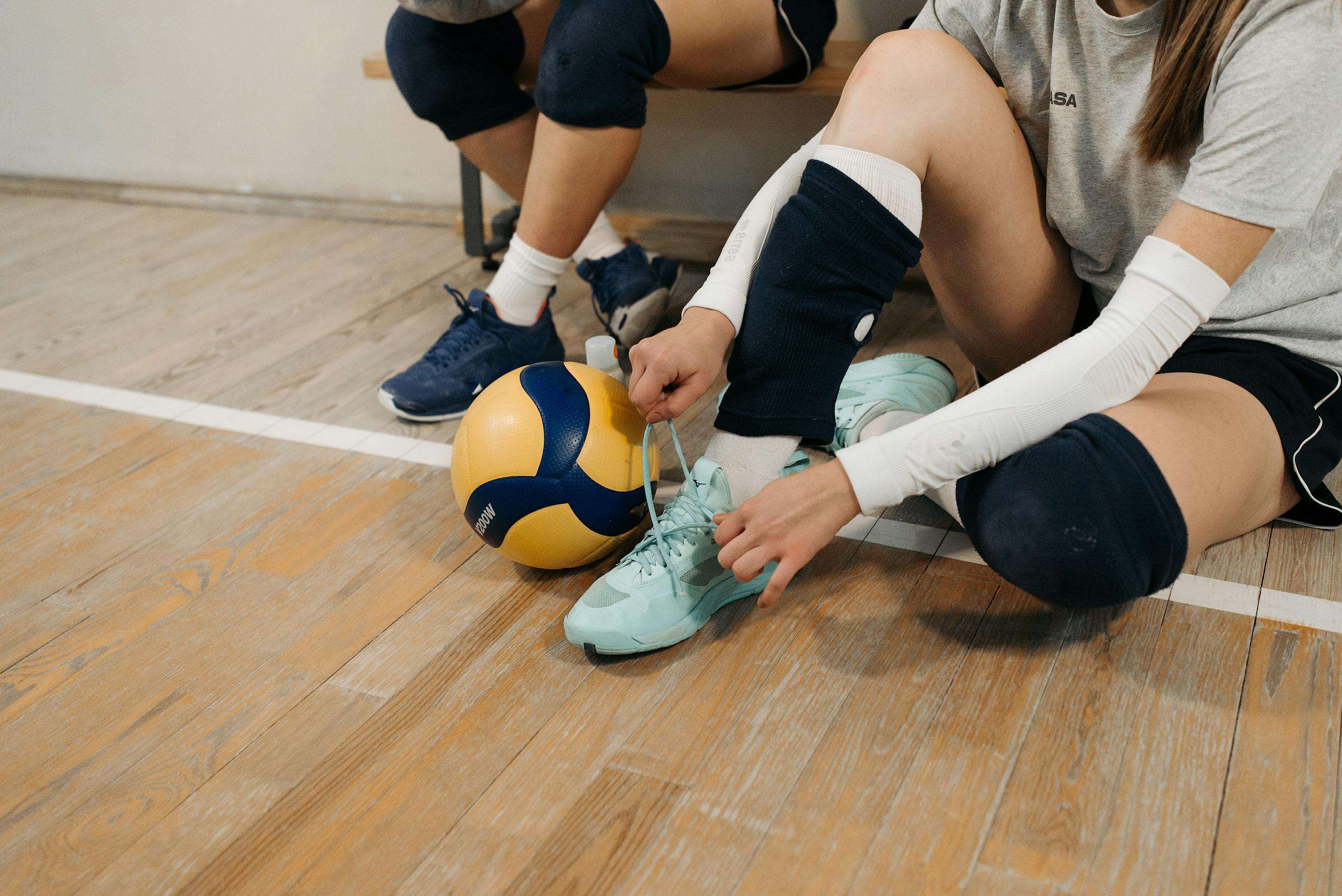
Choosing the right volleyball shoes is one of the most important decisions a volleyball player can make. Whether you are a beginner, a competitive athlete, or a seasoned veteran, the shoes you wear directly influence your performance, comfort, and long‑term injury risk. This guide explains exactly how to choose volleyball shoes based on your position, playing style, and foot type, ensuring you get the best possible fit for your game.
Why Volleyball Shoes Matter for Performance and Injury Prevention
Volleyball is a fast, explosive sport that requires quick lateral movement, rapid direction changes, and repeated jumping. Because volleyball does not involve long‑distance running, volleyball shoes are engineered specifically for the sport’s unique demands. They provide strong traction on indoor courts, shock absorption for constant jumping and landing, lateral support to prevent ankle rolls, and lightweight construction for speed and agility. Wearing the wrong shoes can lead to discomfort, reduced performance, and a higher risk of injury.
Key Features Every Volleyball Shoe Should Have
When selecting volleyball shoes, understanding the most important performance features will help you make the right choice. Cushioning is essential because volleyball involves continuous jumping. High‑quality cushioning in the forefoot and heel absorbs impact and reduces stress on your joints. Gel and foam midsoles are common in high‑end models, and the ideal shoe should feel responsive without being overly soft or too stiff.
Traction is another critical factor. Indoor courts can be slippery, so volleyball shoes use gum rubber outsoles designed to grip the floor and prevent sliding. A herringbone or hexagonal outsole pattern improves grip, and shoes should be replaced once the rubber becomes worn or smooth.
Lateral support and stability are essential for side‑to‑side movement. Features such as heel counters, midfoot shanks, and reinforced sidewalls help prevent ankle injuries and keep your foot secure during quick directional changes. A snug fit around the heel and midfoot enhances stability and control.
Comfort and fit are equally important. A comfortable volleyball shoe allows you to move freely and confidently. There should be enough room in the toe box for your toes to spread naturally, while the heel should feel secure without slipping. Trying shoes on with volleyball socks helps ensure an accurate fit.
Weight also plays a role in performance. Lightweight volleyball shoes improve speed and jumping ability, but extremely light models may sacrifice durability or support. The goal is to find the right balance based on your position and playing style.
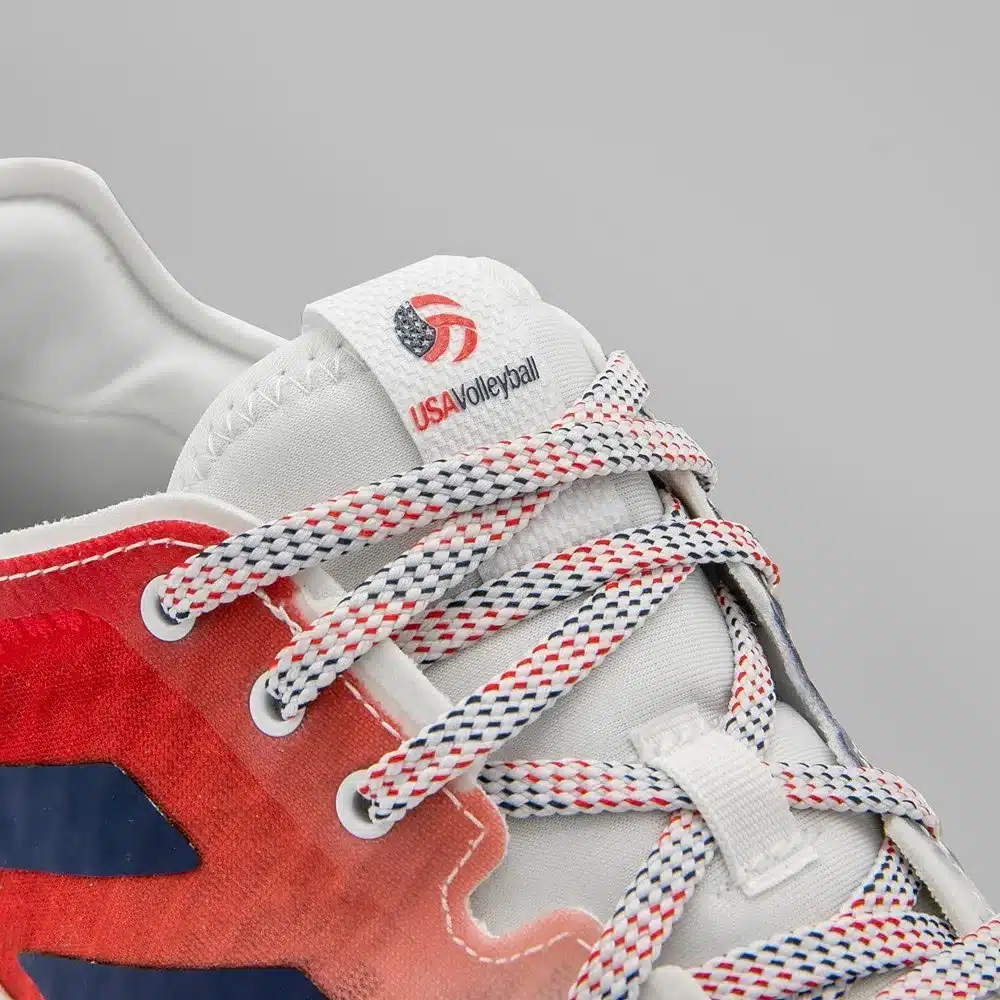
Choosing Volleyball Shoes Based on Your Position
Each volleyball position has different movement patterns and demands, which means the ideal volleyball shoe varies from player to player. Outside hitters need shoes with strong cushioning, reliable traction, and solid lateral support. Models such as the Mizuno Wave Lightning Neo 3 or Nike Hyperace 3 are excellent choices for hitters.
Middle blockers benefit from maximum stability and shock absorption due to frequent jumping and blocking. The Mizuno Wave Momentum 3 or ASICS Sky Elite FF are strong options for this position.
Liberos and defensive specialists require lightweight shoes with excellent grip and a low‑to‑the‑ground feel for quick reactions. The Adidas Crazyflight or Mizuno Wave Dimension are ideal for defensive players.
Setters need responsive cushioning and smooth transitions for fast footwork and quick movement patterns. The Nike Hyperset or ASICS Netburner Ballistic FF are well‑suited for setters.
Choosing Volleyball Shoes Based on Your Playing Style
Your playing style also influences which volleyball shoes are best for you. Power players should look for strong heel lockdown, durability, and high impact protection. Speed‑oriented players benefit from lightweight shoes with responsive cushioning and smooth transitions. Control‑focused players should choose shoes with firm cushioning, a stable platform, and a secure fit.
How To Choose Volleyball Shoes Based on Foot Type
Foot type plays a major role in selecting the right volleyball shoe. Players with wide feet should look for brands offering wide sizing or shoes with roomy toe boxes. Mizuno and ASICS often fit wider feet well.
Flat‑footed players need shoes with proper arch support or custom insoles and should avoid models with overly flexible midsoles. Players with high arches should choose shoes with cushioned insoles and strong shock absorption.
More About Volleyball Equipment

Indoor vs. Outdoor Volleyball Shoes
Most volleyball shoes are designed for indoor hardwood courts. They use gum rubber soles for traction and emphasize cushioning and lateral support. Outdoor volleyball—whether on concrete or sand—requires more durable outsoles and additional cushioning. Players who compete outdoors should consider cross‑training or court shoes with reinforced soles, as traditional volleyball shoes are not built for outdoor surfaces.
How to Test Volleyball Shoes Before Buying
Before making a final decision, test the shoes to ensure they meet your needs. Try them on with volleyball socks, perform jumps and lateral movements to assess stability, check heel lockdown and toe box comfort, and walk on a hard surface to evaluate traction. If buying online, review the return policy and read feedback from players with similar preferences.
Common Mistakes to Avoid When Buying Volleyball Shoes
Many players make avoidable mistakes when choosing volleyball shoes. These include selecting shoes based solely on appearance, using running or basketball shoes for volleyball, ignoring sizing differences between brands, and failing to replace shoes once traction and cushioning deteriorate. Avoiding these mistakes will help you choose shoes that support your performance and protect your body.
When to Replace Your Volleyball Shoes
Volleyball shoes typically last six to twelve months depending on usage. Replace them when the outsole becomes smooth, the cushioning feels flat, the upper begins to tear, or you experience increased joint discomfort after playing. Fresh shoes improve traction, reduce injury risk, and enhance overall performance.
Top Volleyball Shoe Brands to Consider
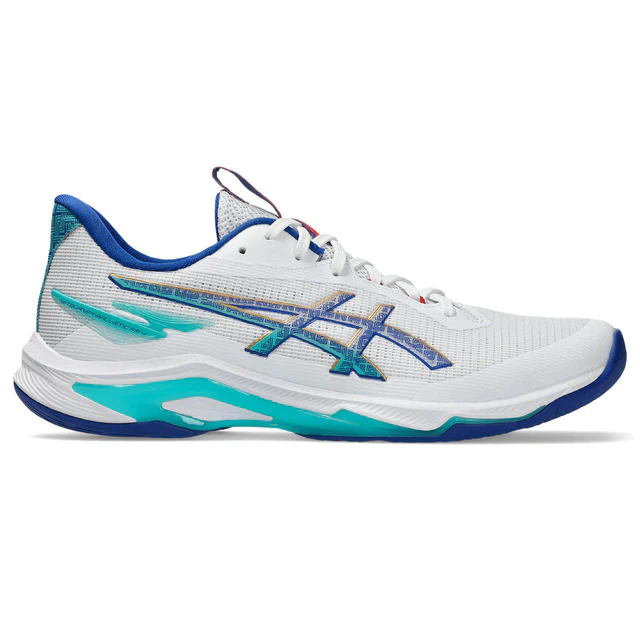
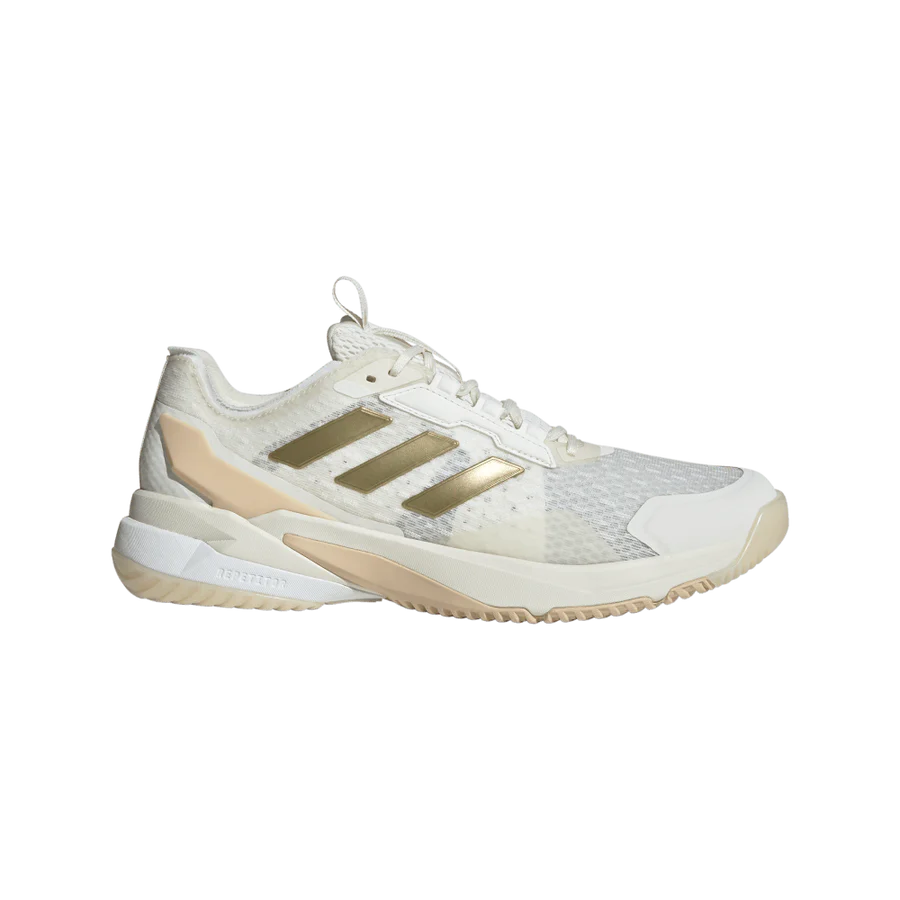
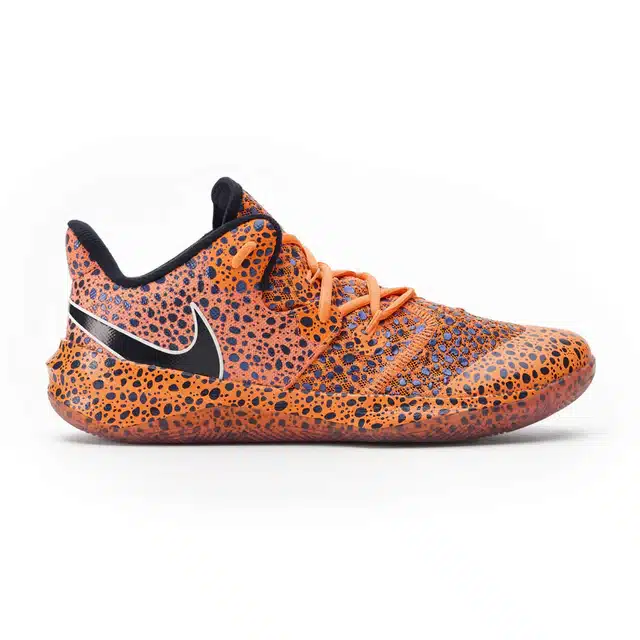
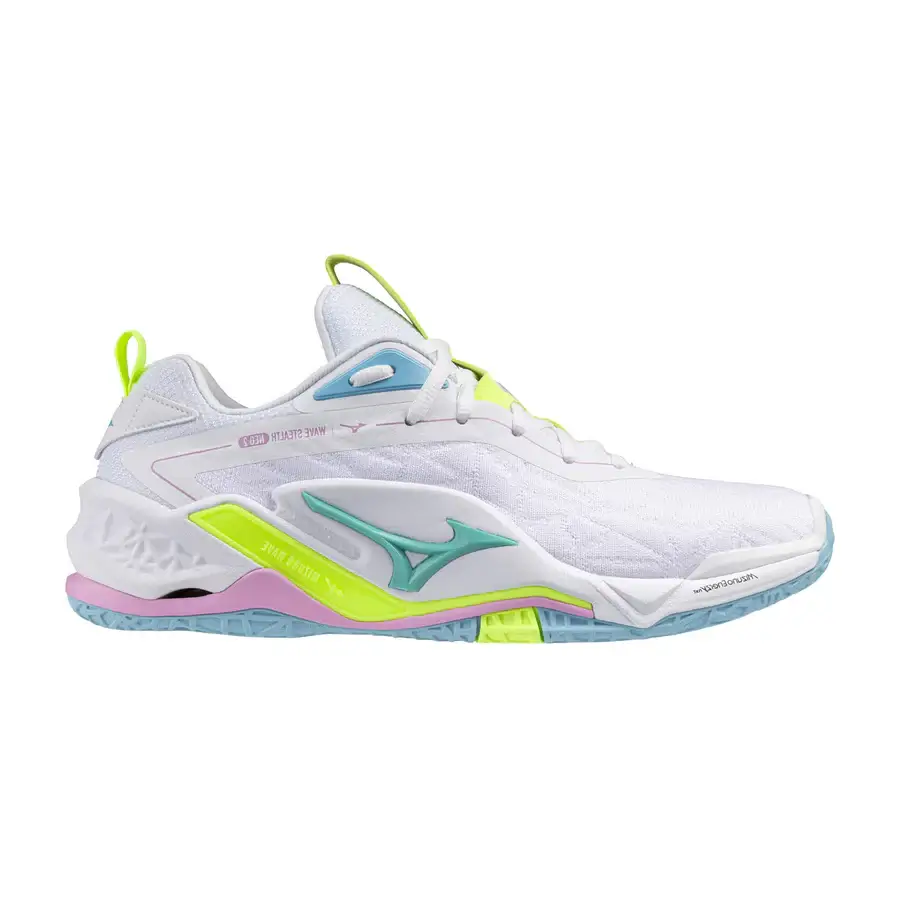
Mizuno is known for stability and durability, ASICS for cushioning and support, Nike for lightweight responsiveness, and Adidas for grip and agility. Each brand has unique strengths, so testing different models is the best way to find your ideal fit. Check out our complete guide to the Best Volleyball Shoes.
FAQs: How Do I Find the Best Volleyball Shoe?
Will wearing volleyball shoes affect my game?
Yes. Volleyball shoes are designed specifically for quick side‑to‑side movement, explosive jumping, and rapid changes of direction. They provide better traction, cushioning, and stability than running or basketball shoes. These features directly improve your performance and reduce your risk of injury.
How long do volleyball shoes last?
Most players replace their volleyball shoes every six to twelve months, depending on how often they train. Signs that your shoes need replacing include worn‑down traction, flattened cushioning, tears in the upper material, or increased joint pain after practice.
What is the number one feature of volleyball shoes?
Most players consider cushioning and traction the two most important features. Cushioning protects your joints from the constant impact of jumping, while traction helps you stop, start, and change direction quickly on defense.
Are volleyball shoes good for playing on outdoor courts?
Indoor volleyball shoes are not ideal for outdoor surfaces like concrete or asphalt. Their gum rubber soles are soft and wear down quickly on hard surfaces. If you practice outdoors, cross‑training or court shoes with more durable soles are a better choice.
Should volleyball shoes fit tightly or loosely?
Volleyball shoes should fit snugly around the heel and midfoot while allowing enough space in the toe box for your toes to spread naturally. A secure fit helps stabilize your foot and prevents slipping inside the shoe.
Is one brand better for volleyball shoes than another?
There is no single “best” brand. Each brand specializes in different strengths: Mizuno focuses on stability, ASICS on cushioning, Nike on responsiveness, and Adidas on grip. The best shoe for you depends on your position, foot type, and playing style.
Insights Gained from Playing the Sport Professionally
As a professional volleyball player who has competed in the VNL, Champions League, and World Championships, I’ve learned firsthand how much the right shoes influence your movement, confidence, and overall performance on the court.
When I played libero, I always chose shoes with a low profile and excellent traction. I needed to react instantly to unpredictable touches off the block or the net, and I couldn’t afford to feel disconnected from the floor. Shoes that were too soft or too elevated made me slower and less stable.
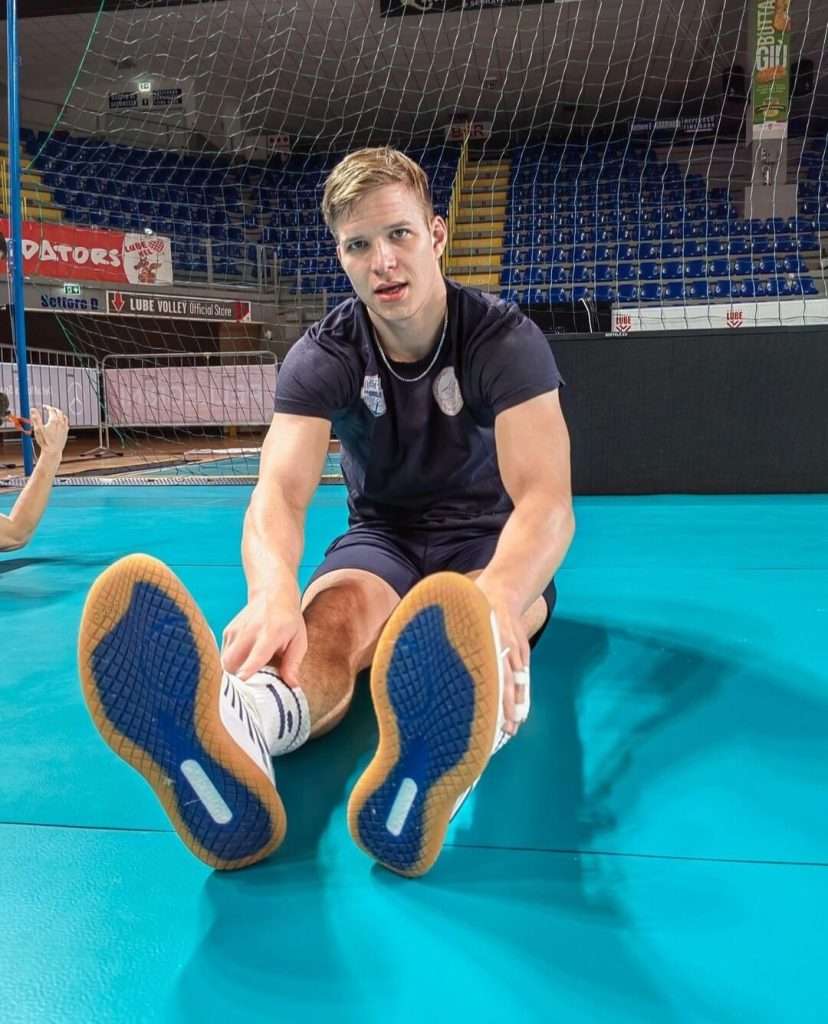
Over the years, I also realized how crucial cushioning is. After long tournaments or double training sessions, the difference between waking up with sore knees and waking up feeling fresh often came down to the quality of the cushioning in my shoes. The models that protected my joints allowed me to train harder and stay healthier throughout the season.
Another important lesson came from watching teammates struggle simply because they were wearing shoes that didn’t match their foot type. Some had wide feet, some had high arches, some needed more stability. Once they switched to a shoe that fit their anatomy, their movement improved immediately.
One final message I always share with young players:
Your shoes are the only piece of equipment that connects your body to the court. Never choose them based on color or style — choose them based on how they help you move.
Small details like traction, cushioning, stability, and fit make the difference between reacting quickly or slowly, landing safely or awkwardly, and playing confidently or hesitantly.
Great additional article: Learn more about volleyball shoes on the ASICS website.