
5 Volleyball Positions Explained For Beginners

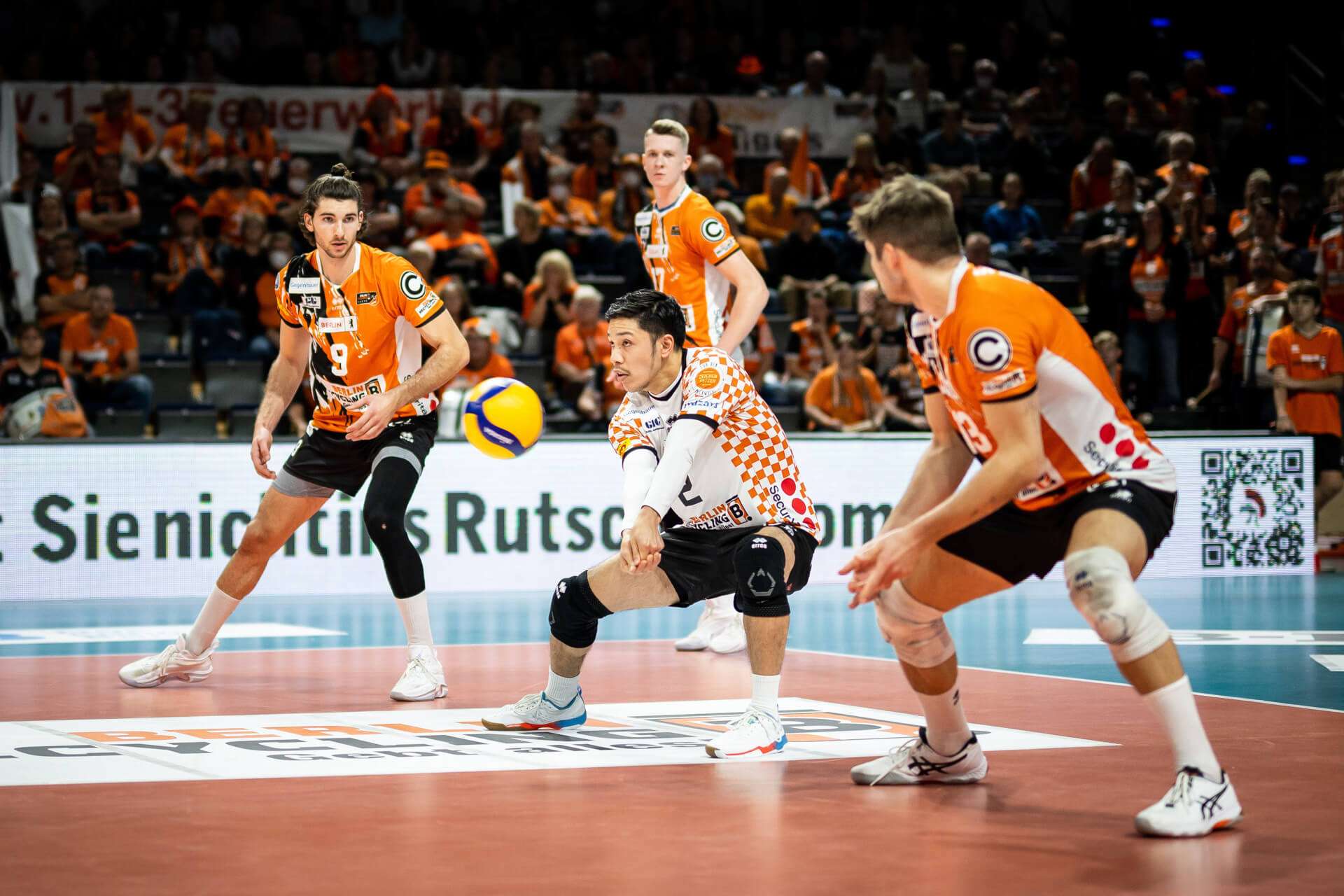
Volleyball is a highly strategic sport built on teamwork, communication, and clearly defined roles. Each position on the court has its own responsibilities, movement patterns, and skill requirements. For players looking to develop their game, coaches aiming to build the strongest lineup, and fans wanting to better understand the sport, it’s essential to know what each position does and why it matters.

Below is a detailed explanation of the seven primary volleyball positions, including their responsibilities and the key skills required to excel in each role.
1. Outside Hitter (OH) – Left Side Hitter
The outside hitter is typically the most versatile player on the court and often the one who receives the most support from teammates. Because they play both front row and back row, they are involved in nearly every phase of the game.
Primary Responsibilities
- Attack from the left side
- Pass in serve‑receive
- Play back‑row defense
- Block the opponent’s right‑side hitter
- Serve and maintain offensive consistency
Key Skills
- Excellent all‑around ball control
- High volleyball IQ
- Ability to hit out‑of‑system balls
- Consistent passing and defense
- Strong endurance
Outside hitters are usually the first option when the offense breaks down.
2. Opposite Hitter (OPP) – Right Side Hitter
The opposite hitter plays on the right side and is generally the team’s secondary attacking option behind the outside hitter.
Primary Responsibilities
- Attack from the right side
- Block the opponent’s outside hitter
- Provide additional offense in transition
- Set the ball if the setter digs
- Play selective back‑row defense
Key Skills
- Strong blocking ability
- Powerful right‑side hitting
- Ability to score in transition
- Reliable out‑of‑system setting
- Height and reach advantage
Opposites are often the most physically dominant attackers on the team.
3. Middle Blocker (MB) – Middle Hitter
The middle blocker is the fastest‑moving front‑row player and the core of the team’s blocking system.
Primary Responsibilities
- Close the block on quick attacks
- Attack fast sets in the middle
- Read the setter and react instantly
- Transition quickly into offense
- Serve strategically (depending on league rules)
Key Skills
- Explosive jumping ability
- Quick lateral movement
- Strong timing and reading skills
- Fast transitions
- Ability to hit quick sets (1s, 31s, slides)
The middle blocker acts as the team’s defensive wall and is a major contributor to offensive momentum.
4. Setter
The setter is the “quarterback” of the team — the player who runs the offense and makes rapid decisions during every rally.
Primary Responsibilities
- Deliver accurate sets to all hitters
- Control the tempo of the offense
- Read the opponent’s blockers
- Play strong back‑row defense
- Communicate constantly with teammates
Key Skills
- Exceptional ball control
- Quick decision‑making
- Leadership and communication
- Precise footwork and positioning
- High volleyball IQ
A great setter elevates the performance of the entire team.
5. Libero
The libero is a defensive specialist who wears a different‑colored jersey and plays only in the back row.
Primary Responsibilities
- Pass the majority of serve‑receive balls
- Anchor the team’s defense
- Dig hard‑driven attacks
- Take the second ball if the setter digs
- Maintain proper back‑row positioning
Key Skills
- Elite passing and digging
- Quick, efficient footwork
- Strong anticipation and reading ability
- Low, stable defensive posture
- Mental toughness
The libero is the backbone of the team’s ball control.
6. Defensive Specialist (DS)
A defensive specialist is similar to a libero but without jersey restrictions. They can serve, play back row, and substitute for any player.
Primary Responsibilities
- Strengthen back‑row defense
- Improve serve‑receive consistency
- Serve strategically
- Replace weaker defenders
Key Skills
- Strong passing and digging
- Reliable serving
- Quick reactions
- Consistent ball control
DS players add depth, stability, and flexibility to the back row.
7. Serving Specialist
Some teams use a serving specialist — a player who enters the match specifically to serve.
Primary Responsibilities
- Deliver high‑pressure, strategic serves
- Target weak passers
- Create scoring runs
Key Skills
- Consistent, powerful serving
- Strong mental focus
- Ability to perform immediately off the bench
Serving specialists can shift momentum in a single rotation.
How Volleyball Positions Support Each Other
Each position is designed to complement the others:
- Setters run the offense
- Hitters score points
- Middles block and attack quickly
- Liberos and DS players stabilize the defense
- Opposites balance the offense
- Serving specialists apply pressure
When every position fulfills its role, the team becomes more efficient, balanced, and difficult to defend.
Conclusion
Understanding volleyball positions is essential for player development and team success. Each position carries unique responsibilities and skill requirements, yet all are equally important. Whether you’re a hitter, setter, libero, or defensive specialist, mastering your role will elevate your individual performance and strengthen your team as a whole.