
Shoes for Volleyball: Which Shoes Can You Use?

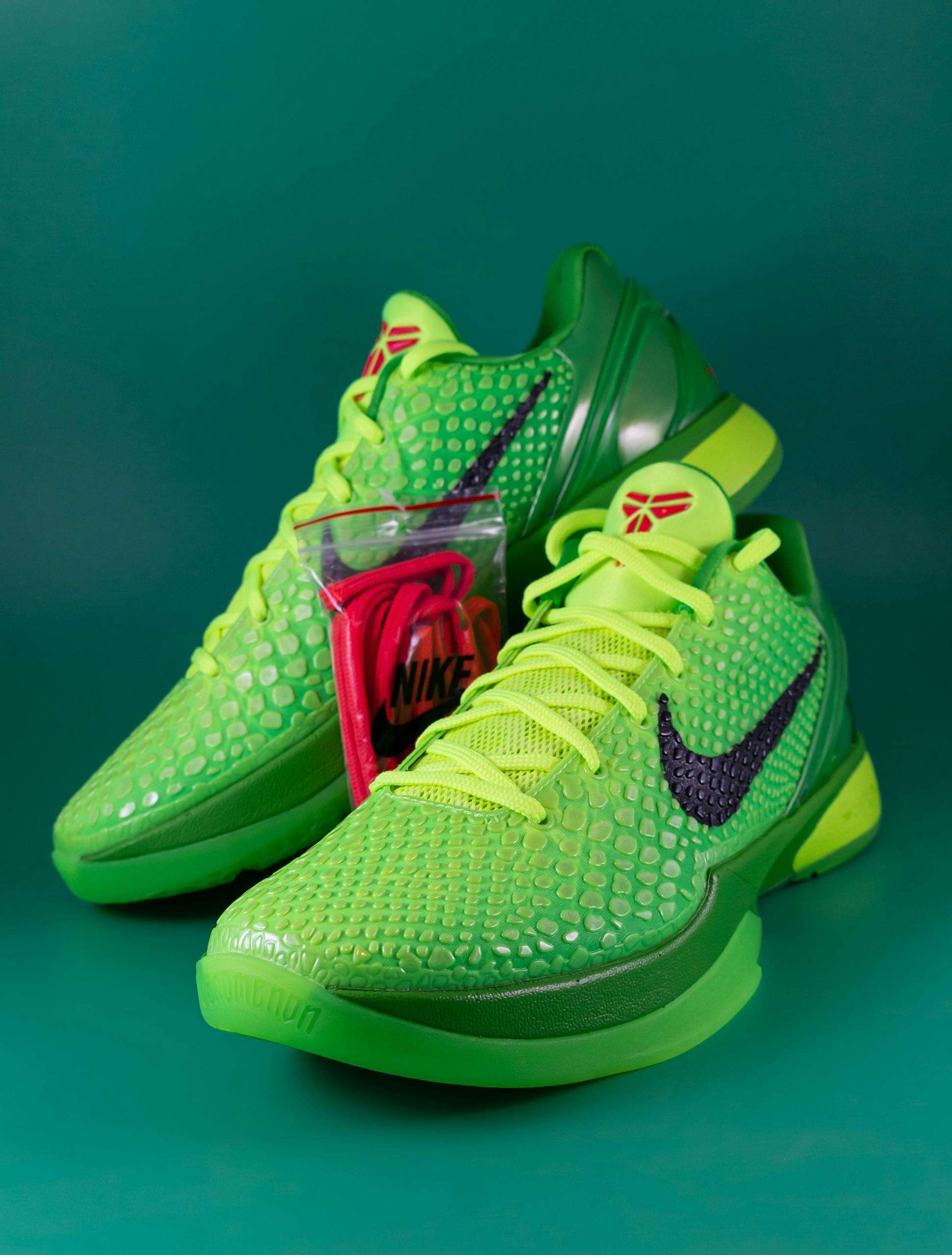
You can use volleyball shoes, basketball shoes, cross‑training shoes, or running shoes for volleyball, but volleyball‑specific shoes are the best option because they offer superior traction, lateral stability, and cushioning for repeated jumping. Running shoes are the least suitable because they lack side‑to‑side support.
The shoes you wear will determine your speed, your ability to maintain balance, and your overall comfort on the court. For this reason, it is crucial that players select the proper volleyball shoes for the position(s) they plan to play. In addition to helping prevent foot and ankle injuries, the right volleyball shoes allow you to move faster and jump higher with less fatigue. Because players don’t always know which shoes are best for their game, this guide covers all available options — running shoes, basketball shoes, cross‑training shoes, and volleyball‑specific shoes — along with affordable choices for players on a budget.
Shoes For Volleyball
What Makes Volleyball Shoes Different?
Unlike basketball shoes and running shoes, which are designed primarily for forward movement, volleyball shoes are built for the lateral movements that dominate volleyball. They feature gum‑rubber soles that provide superior traction, lightweight materials that help players move quickly, and responsive cushioning that absorbs shock from repeated jumping and reduces stress on the joints.
Players often notice immediate improvements after switching to volleyball‑specific shoes. Transitions become quicker, movement feels smoother, and jumping becomes easier and more efficient.
Using Running Shoes for Volleyball
Running shoes are designed for straight‑line motion. They typically have soft cushioning, a high heel‑to‑toe drop, and minimal lateral support. Volleyball, however, requires strong side‑to‑side stability, a low profile, and a firm base for quick reactions.
While running shoes can be used for very casual play, they make it difficult to change direction quickly and increase the risk of ankle injuries. They also wear down quickly on indoor courts. For practices, competition, or anything beyond recreational play, running shoes are not recommended. I’ve known a professional libero who wore running shoes and made them work for his style of play, but this is the exception, not the rule. If you play any other position, it’s best to avoid running shoes entirely because they are not designed for jumping or the lateral movements required in volleyball.

Using Basketball Shoes for Volleyball
Basketball shoes are more similar to volleyball shoes than running shoes. They offer good ankle support, strong traction, and cushioning for jumping and landing. Many volleyball players — especially beginners and taller athletes — use basketball shoes without any issues. I’ve used them myself and still do, and in some cases, I’ve even performed better in basketball shoes than in volleyball‑specific models.
However, basketball shoes tend to be heavier and bulkier (depends of model), which can make players feel slower, particularly players who rely on quick movement. Although they may not provide the same speed and responsiveness as volleyball‑specific shoes, basketball shoes remain a viable alternative for players who already own a pair and want to save money.
Using Cross‑Training Shoes for Volleyball
Cross‑training shoes are designed for general gym workouts, not court sports. They offer some lateral stability but lack the traction and responsiveness needed for the quick, explosive movements required in volleyball. Cross‑training shoes are acceptable for occasional play or basic skill development, but they fall short for regular or competitive play.
Volleyball‑Specific Shoes Are Your Best Option
Volleyball shoes are engineered specifically for the demands of the sport. They provide:
- Gum‑rubber traction for quick direction changes
- Lightweight construction for increased speed
- Responsive cushioning to absorb shock from repeated jumping
- Lateral support for safe, controlled movement
Even if you play volleyball only a few times per week, volleyball‑specific shoes are worth the investment. They improve your efficiency on the court, reduce the risk of injury, and last longer on indoor surfaces than other types of shoes.
Our Shoes For Volleyball (Top Picks)
Best Affordable Volleyball Shoes For Beginners
Not all players want to invest in high‑end volleyball shoes, especially those who are new to the sport, still growing, or working with a limited budget. Fortunately, several affordable volleyball shoes offer excellent performance.
Entry‑level models from brands like ASICS and Mizuno provide strong traction, solid stability, and reliable cushioning at a lower price. While they may not include the latest technologies found in premium models, they offer everything a beginner or intermediate player needs.
Another cost‑effective option is purchasing older versions of high‑quality volleyball shoes. When a new model is released, the previous version typically drops significantly in price while still delivering excellent performance.
Affordable volleyball shoes are ideal for developing players, first‑time athletes, and anyone seeking reliable, budget‑friendly footwear.
Our Top Budget Shoes For Volleyball
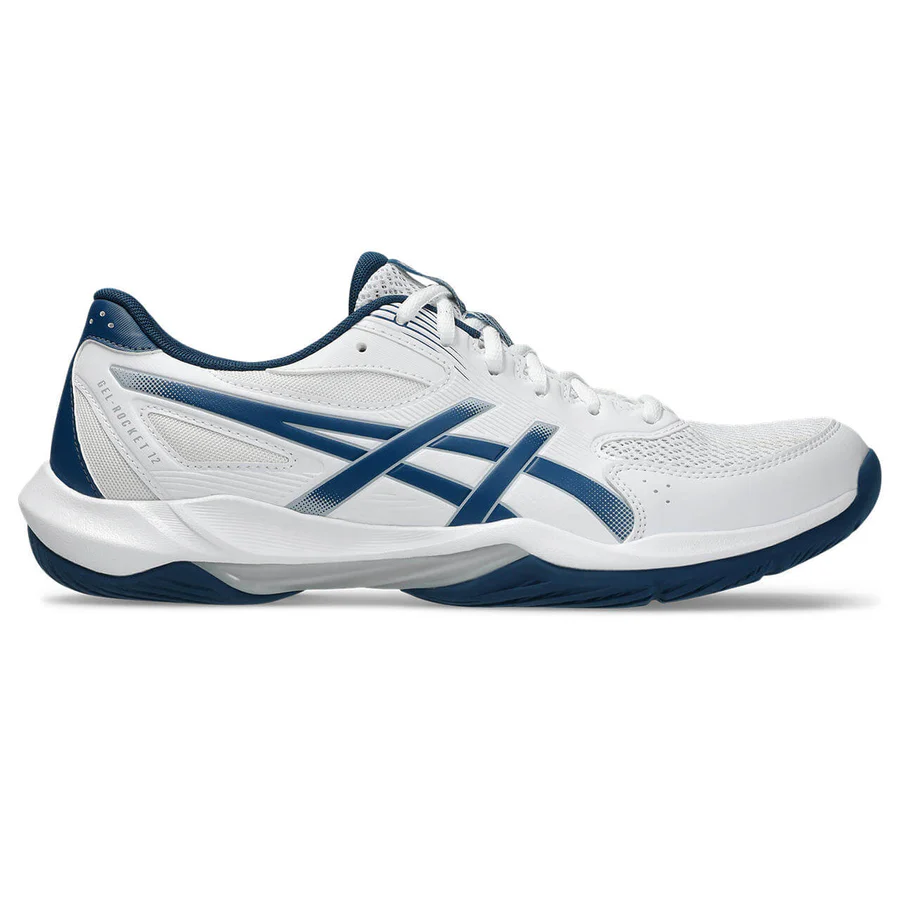
Asics Gel Rocket 12
Performance
The ASICS Gel‑Rocket is a reliable, budget‑friendly volleyball shoe offering solid traction, good cushioning, and dependable stability for indoor play. It’s lightweight, comfortable, and ideal for beginners or recreational athletes. While not as advanced as premium models, it delivers excellent value and consistent performance for its price.
Rating
7.5/10

adidas Court Bounce
Performance
The Adidas Court Team Bounce 2.0 offers excellent comfort, strong cushioning, and a flexible feel ideal for volleyball players who value mobility. Its breathable upper and full‑length Bounce midsole provide a soft yet responsive ride. While not as supportive as premium models, it delivers great value for training and recreational play.
Rating
7.4/10
Final Thoughts
The best volleyball shoes for each player depend on their goals, experience level, and expectations. If you want optimal performance, maximum safety, and long‑lasting durability, volleyball‑specific shoes are the clear choice. Basketball shoes are the next best alternative, especially for hitters who benefit from added ankle support. Running shoes and cross‑trainers are suitable only for casual, infrequent play, as they are not designed for the demands of volleyball and may increase the risk of injury.
Other Stories To Read


FAQ
Can I use my running shoes to play volleyball
Running shoes may be acceptable for a casual game, but they do not provide the lateral support needed for volleyball. Because of this, they are not recommended for regular use or competitive play.
Will basketball shoes work for volleyball
Yes, basketball shoes can be a very good option for volleyball players, especially hitters who benefit from the added ankle support. However, some players find basketball shoes too heavy or bulky for roles that require quick movement, such as libero or setter.
Do I really need volleyball‑specific shoes
If you play volleyball regularly (weekly) or competitively, then yes — volleyball‑specific shoes are the best choice. They provide superior traction, greater lateral stability, and more comfortable cushioning designed specifically for the demands of the sport.