
What Are the 6 Skills in Volleyball? +2 Extra skills

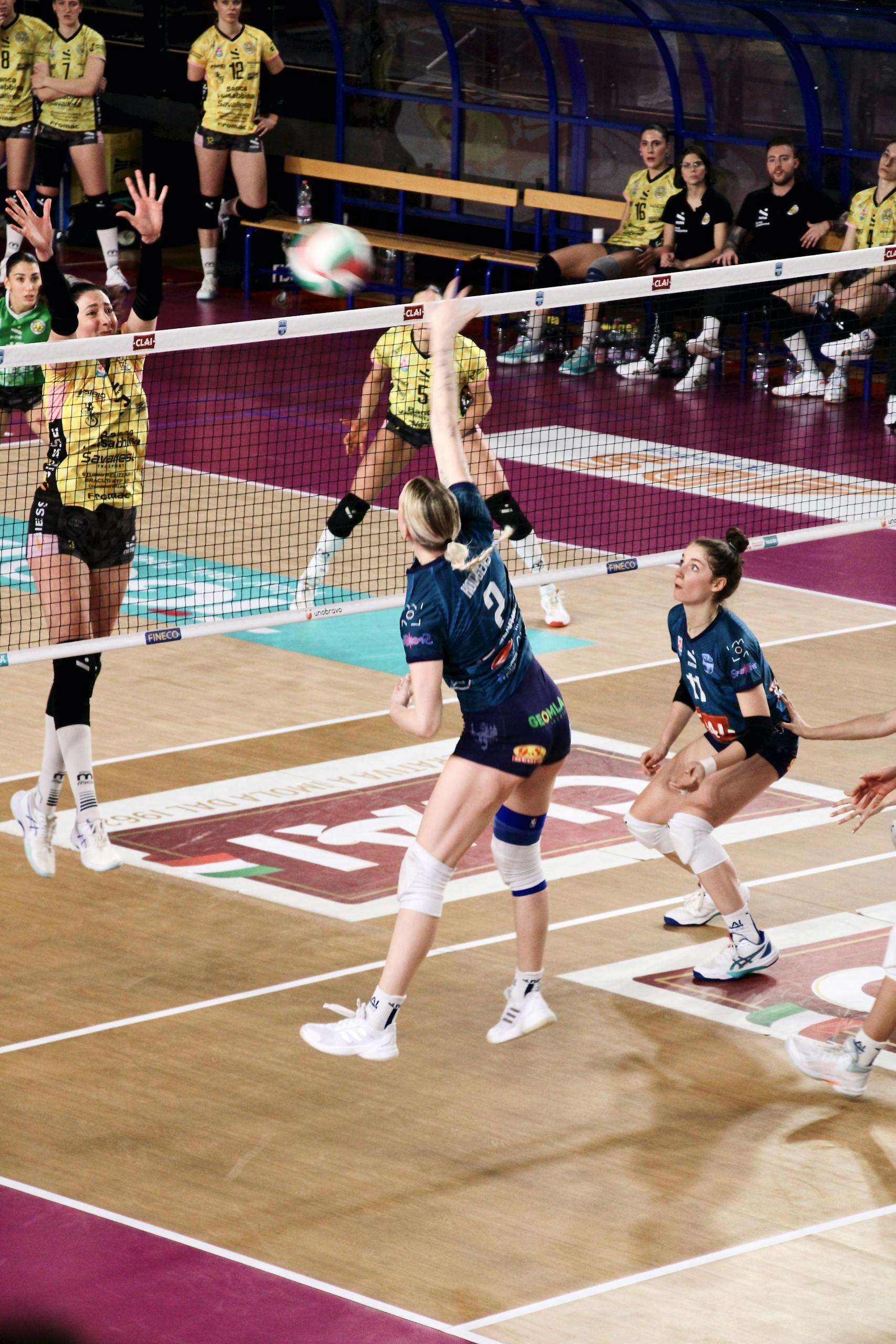
What are the six skills in volleyball? Serving, passing, setting, attacking, blocking, digging, + two extra skills: volleyball IQ, and movement/footwork. These skills form the foundation of the sport and are essential for every player, regardless of position or experience level. Mastering all eight helps players become more confident, consistent, and effective on the court.
6+2 Volleyball Skills
Most new volleyball players think the only important parts of the game are hitting the ball hard, serving it over the net, or diving for a dig. However, volleyball is built on eight fundamental skills that every player must learn — whether you’re a freshman or a senior, and whether you play in the front row or the back row. These eight skills form the fabric of the sport and are the reason some players remain casual while others become confident, well‑rounded athletes. By understanding these skills, you’ll improve much faster and gain a deeper appreciation for the complexity and beauty of volleyball.
1. Serving: The First Skill of Every Rally
Serving is the only skill in volleyball that you have complete control over. It begins every rally and sets the tone for the point. Whether you use an underhand serve or a jump serve, a great server must be consistent and confident. Serving is one of the most powerful skills in volleyball because it can disrupt the opponent’s offense, force weak passes, and even score points directly. It’s usually the first skill players learn and one they continue developing throughout their entire volleyball career.

2. Passing: The Most Important Skill in Volleyball
Passing is arguably the most important skill in the sport because it determines how well your team can run its offense. A strong pass gives the setter the opportunity to deliver a clean set, while a poor pass forces the team into “survival mode.” To be an effective passer, you must move your body into position, control your platform, and read the speed and trajectory of the ball. Every player on the court needs to be able to pass well for the team to function successfully.

3. Setting: The Skill That Dictates Your Team’s Offense
Setting is often called the “brain” of volleyball. The setter touches the ball more than anyone else and decides which hitter will receive the next attack. To be a good setter, you must communicate with your teammates, make quick decisions under pressure, and have strong footwork and hand‑eye coordination. Setting is more than technique — it requires leadership, awareness, and the ability to recognize opportunities. Even learning the basics of setting will improve your ball control and overall court awareness.

4. Attacking (Hitting): The Skill That Scores Points
Hitting is one of the most exciting skills in volleyball. It involves jumping and swinging to send the ball forcefully into the opponent’s court. But hitting is not just about power. It requires timing, a proper approach, strong arm‑swing mechanics, and the ability to see the block and defense. Outside hitters, opposites, and middles all attack differently, but the goal is always the same: score points and apply pressure. A team that can consistently attack effectively can change the momentum of a match.

5. Blocking: The First Line of Defense
Blocking is the skill that stops the opponent’s attack before it crosses the net. It requires quick reactions, strong jumping ability, and precise hand positioning. While middle blockers typically perform the most blocks, every front‑row player must be able to read the setter, close the block, and penetrate over the net. A well‑timed block can shut down a hitter, energize your team, and shift the direction of the game instantly.

6. Digging: The Skill That Keeps the Ball Alive
Digging keeps the rally alive after the opponent attacks. It demands quick reactions, a willingness to dive or fall to the floor, and the ability to read the hitter’s body language. Liberos and defensive specialists excel at digging, but all players must be ready to react when a powerful spike comes their way. Digging isn’t just about dropping to the ground — it’s about anticipation, positioning, and staying calm under pressure.

7. Volleyball IQ: The Mental Skill That Connects Everything
Volleyball IQ refers to a player’s understanding of the game. It includes knowing where to be, reacting appropriately, and making smart decisions based on the situation. Reading the opponent, recognizing patterns, adjusting to the rhythm of the match, and communicating effectively are all part of volleyball IQ. Players with high volleyball IQ often seem to be “in the right place at the right time,” not because of luck, but because they understand the game deeply.
8. Movement and Footwork: The Skill Behind Every Other Skill
Every volleyball skill begins with movement. How you move to the ball determines how well you pass, how quickly you can get into position to set, and how efficiently you transition from defense to offense. Good movement includes shuffling, sprinting, jumping, landing, and changing direction. Players who move well appear smooth, controlled, and athletic — even before they touch the ball.


Final Thoughts
These eight skills — serving, passing, setting, attacking, blocking, digging, volleyball IQ, and movement — form the foundation of volleyball. Every player, regardless of position, benefits from improving all of them. Some skills may come naturally, while others require more time and repetition, but together they create the base for confident, effective volleyball.