
What Are Common 8 Volleyball Mistakes? A Complete Guide for Players

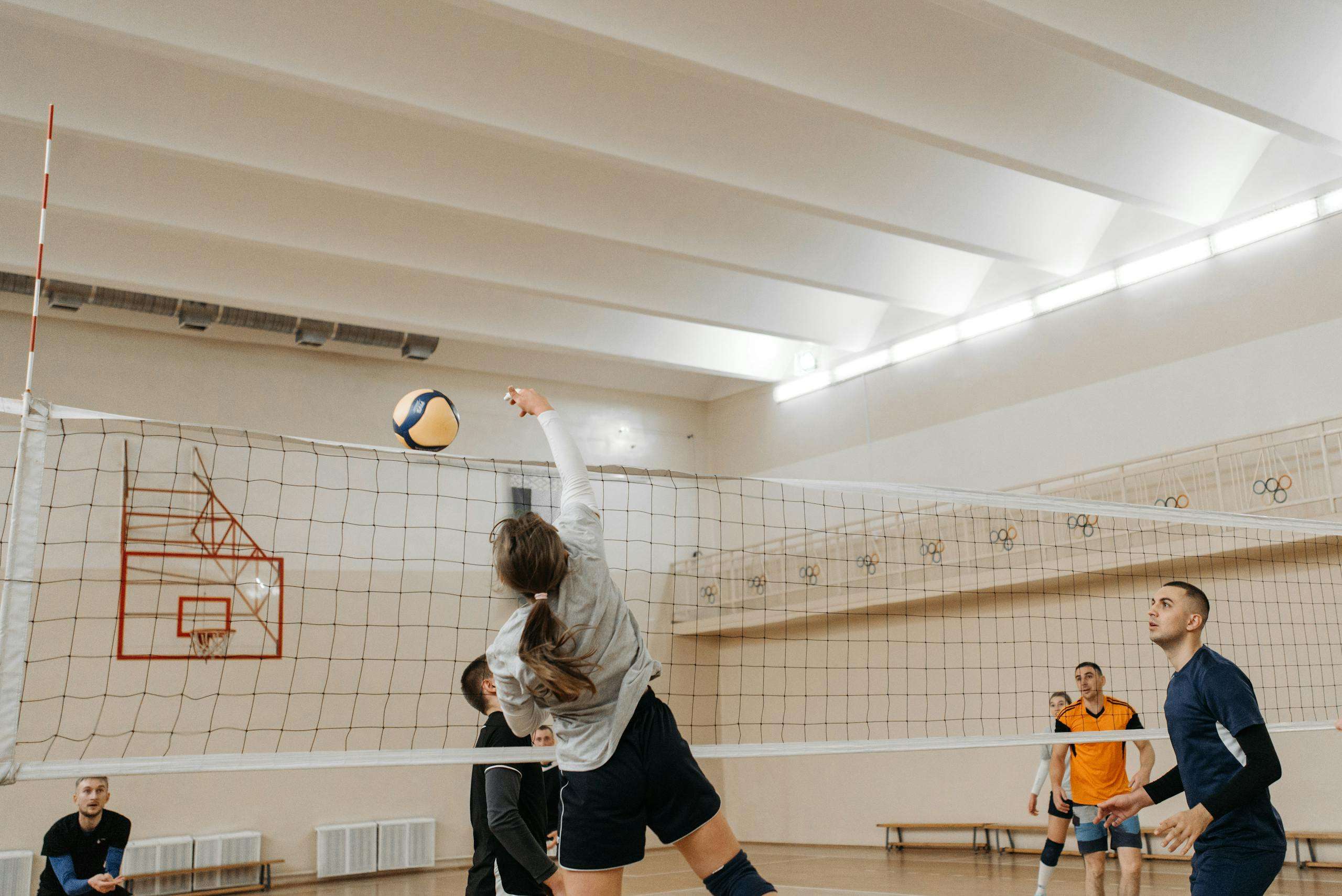
Common volleyball mistakes include slow movement and poor footwork, inconsistent passing platforms, improper setting posture, mistimed hitting approaches, poor blocking reads, lack of communication, standing too tall on defense, and letting errors accumulate mentally.
Every player — beginner, intermediate, or advanced — makes mistakes. They’re a natural part of learning the game. However, certain errors occur far more frequently than others. Identifying these common mistakes is the first step toward developing better, more consistent volleyball skills. Both new and experienced players can elevate their game by understanding where these errors come from and how to correct them.
Common Volleyball Mistakes
1. Slow Movement and Poor Footwork
One of the biggest mistakes in volleyball is slow or inefficient movement. Volleyball is fundamentally a movement‑based sport, and nearly every skill begins with proper footwork. When players stand flat‑footed, react slowly, or take inefficient steps, they end up reaching for the ball instead of moving into the correct position. Reaching leads to shanked passes, short balls, and missed sets. Good movement makes every volleyball skill easier; poor movement makes every skill harder. Many players don’t realize that improving their footwork can dramatically improve their entire game.
2. Inconsistent Passing Platforms
Passing errors are extremely common, especially among newer players. One of the most frequent issues is having an unstable or inconsistent platform. This happens when elbows bend, wrists separate, or the platform angle changes at the last moment, causing unpredictable passes. Another common mistake is swinging the arms too much instead of allowing the ball to rebound naturally. Passing should be simple and controlled, yet many players overcomplicate the motion. A stable, consistent platform is the foundation of reliable passing.

3. Improper Setting Posture
Many setting mistakes come from poor posture rather than poor hand technique. Players often try to set while leaning backward, jumping unnecessarily, or contacting the ball too low. These habits lead to inconsistent sets, double contacts, or balls drifting too close to the net. Another issue is arriving late to the ball, which forces rushed, off‑balance sets. Even players who aren’t setters benefit from learning proper setting posture, as it improves ball control and decision‑making across the board.
4. Poorly Timed Approaches
Hitting errors often stem from mistimed approaches. Players may start their approach too early, too late, or with steps that are too short or too long. This results in awkward jumps, mistimed swings, or attacks with little power. Many hitters also fail to observe the block or defensive positioning, swinging blindly instead of choosing a smart target. A well‑timed approach combined with a relaxed, high arm swing dramatically increases hitting effectiveness.
5. Poor Blocking Reads
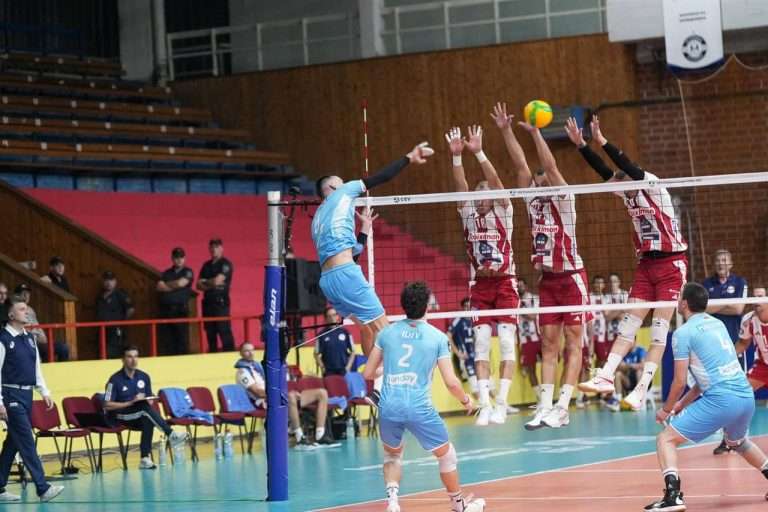
Blocking mistakes are extremely common, even at advanced levels. Many players jump too early, jump straight up instead of penetrating over the net, or fail to close the block with their teammates. Another frequent issue is watching the ball instead of the setter. Effective blocking begins with reading the setter’s body language and anticipating where the ball will go. When players guess instead of read, they often end up in the wrong place or mistime their jump entirely.

6. Lack of Communication
A lack of communication is one of the most damaging mistakes in volleyball. When players stay silent, confusion spreads quickly. Balls drop between teammates, players collide going for the same ball, or no one takes responsibility for a free ball. Simple verbal cues like “Mine,” “Help,” “Outside,” or “Short” can completely change the outcome of a rally. Teams that communicate well look organized and confident; teams that stay quiet look disorganized and hesitant.
7. Standing Too Tall on Defense
Another common defensive mistake is standing too upright. When players stay tall instead of adopting a low, athletic stance, they react slower and struggle to absorb the force of hard‑driven balls. A low defensive posture allows players to move quickly, adjust to unexpected touches, and dig more effectively. Many beginners underestimate how low they need to be, especially against strong hitters. Standing tall makes digging nearly impossible; staying low makes it feel natural.
8. Allowing Errors to Accumulate Mentally
One of the most overlooked volleyball mistakes is mental — letting one error turn into several. Players often become frustrated after a bad pass, missed serve, or hitting error, and that frustration affects the next play. Volleyball moves quickly, and the best players learn to reset immediately. Dwelling on mistakes leads to hesitation, tension, and poor decision‑making. Confidence and composure are just as important as physical skills.
Final Thoughts
Mistakes will always happen in volleyball, but understanding the most common ones helps you avoid them and grow as a player. Small improvements in footwork, passing, communication, and mindset can dramatically elevate your game. The best athletes aren’t the ones who never make mistakes — they’re the ones who learn from them, adjust quickly, and keep moving forward.