What Is a Rally in Volleyball? Understanding the Competitive Side of the Game

What is a rally in volleyball? A rally is the core of every volleyball game. It begins the moment the ball is served and continues until the point is awarded. Although that definition may seem simple, a rally is far more than a rule in the book.
It’s the heart of the sport — the moment where movement, strategy, athleticism, and teamwork all collide. Anyone who has played, coached, or even watched volleyball understands that rallies are where the game truly comes alive. Because of that, understanding what a rally is becomes essential to understanding volleyball as a whole.
HOW DOES A RALLY In Volleyball START
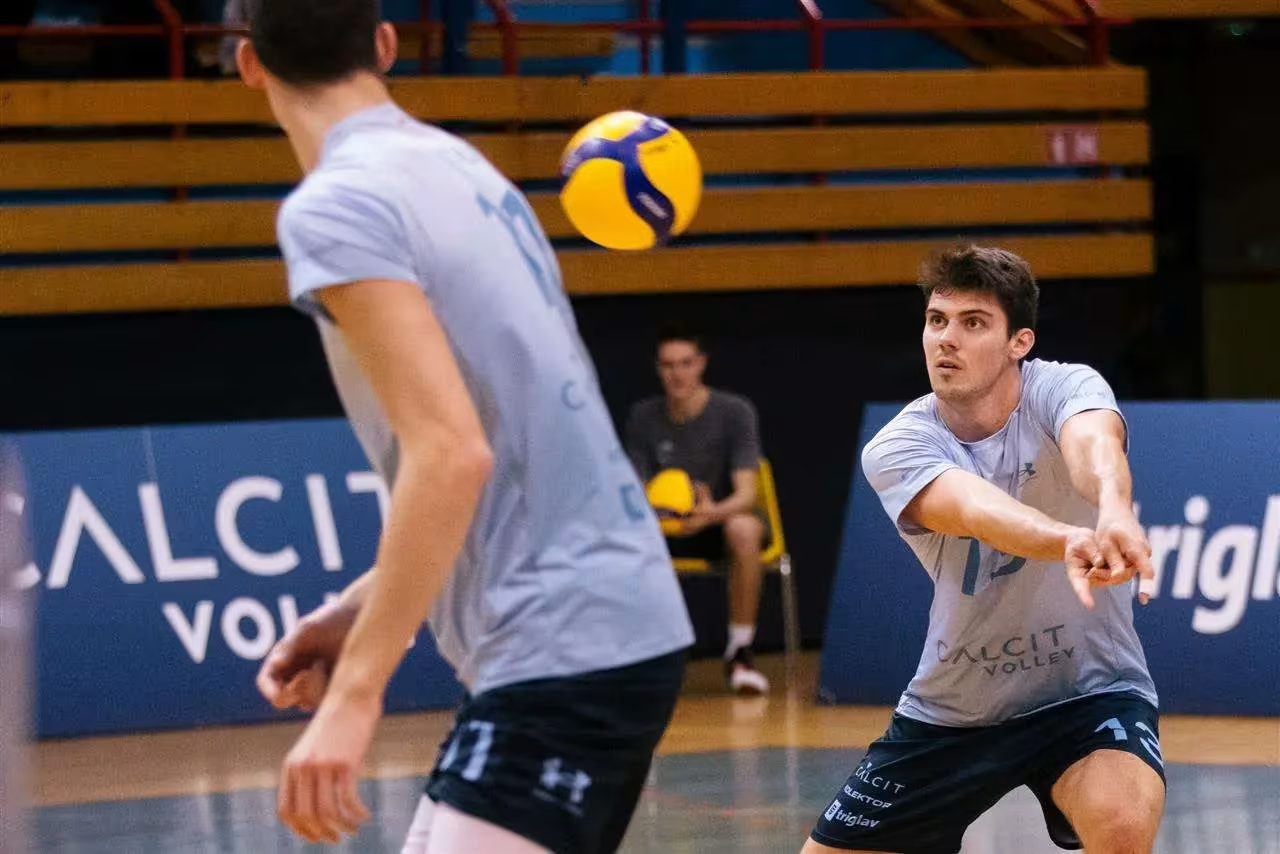
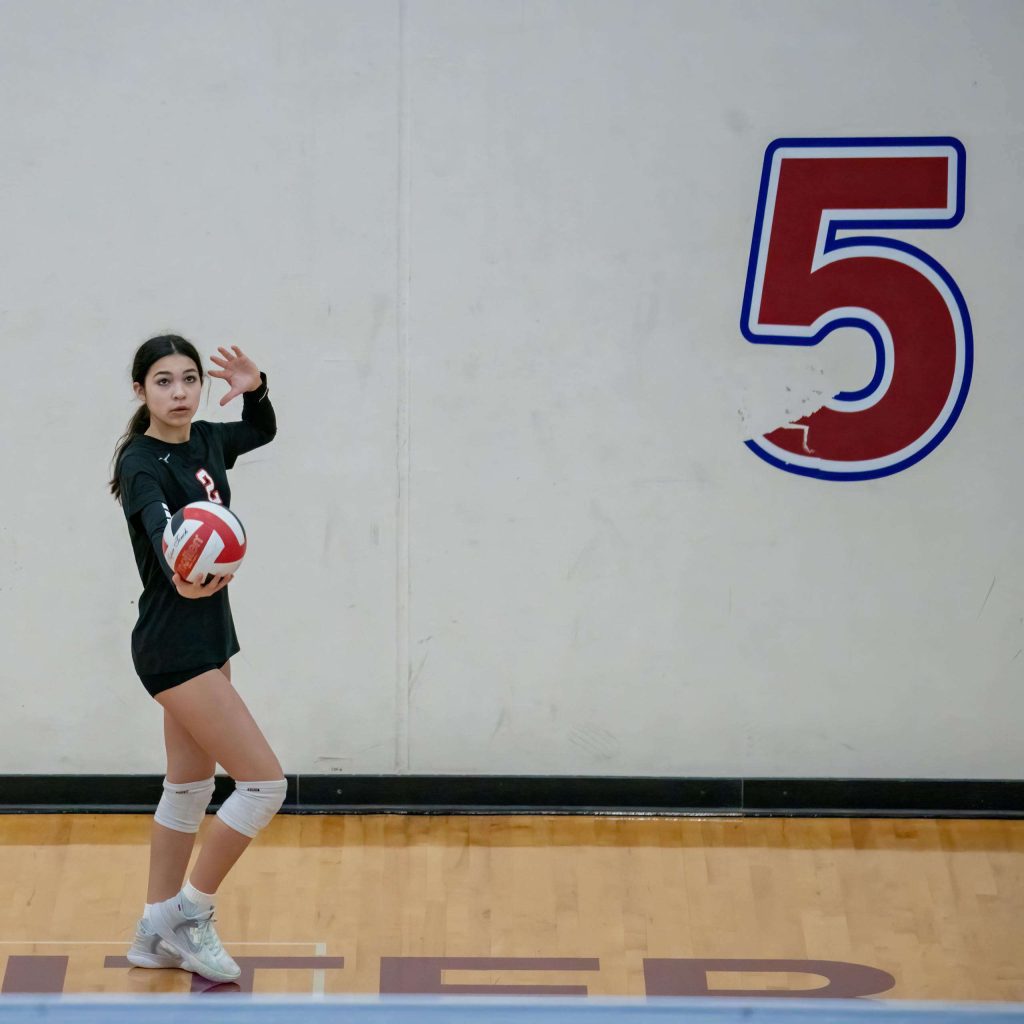
A rally begins the instant the server makes contact with the ball. As soon as the serve is hit, both teams immediately shift into motion. The receiving team prepares to pass, the setter moves into position to run the offense, and the hitters begin reading the play before the ball even crosses the net. The type of serve has a major influence on how the rally unfolds.
A powerful jump serve forces the receiving team into a scramble, while a well‑placed float serve disrupts timing and creates hesitation. Even a simple, controlled serve can set the tone for a long, strategic rally. Through both coaching and playing experience, it’s clear that the quality of the serve often determines the rhythm of the rally that follows.
THE RALLY IN MOTION
Once the ball is passed, the rally enters its most active phase. The setter becomes the central figure, making a split‑second decision about where to place the ball. They consider the blockers’ positions, the defensive alignment, and the quality of the pass, all while communicating with their hitters. A strong set leads to a clean, powerful attack, while a poor set forces the hitter into a difficult swing. At this point, the rally can change direction instantly. A perfectly timed first‑tempo attack can end the rally immediately, while a slower, higher set gives the defense time to organize. At competitive levels, the pressure on the setter during this moment is enormous.
ATTACK AND DEFENSIVE RESPONSE
When the hitter begins their approach, the rally reaches its most intense phase. The attacker must evaluate the set, the blockers, and the defensive positioning all at once. They may choose to swing hard, tip the ball, tool the block, or aim for open space. At the same time, the opposing blockers jump to cut off angles, and the defenders adjust their positions based on the hitter’s body language. Volleyball becomes a game of anticipation here. Players don’t simply react to the ball — they react to each other. After years of coaching and watching high‑level play, it’s clear that the best defenders move before the hitter makes contact because they’ve learned to read the approach.
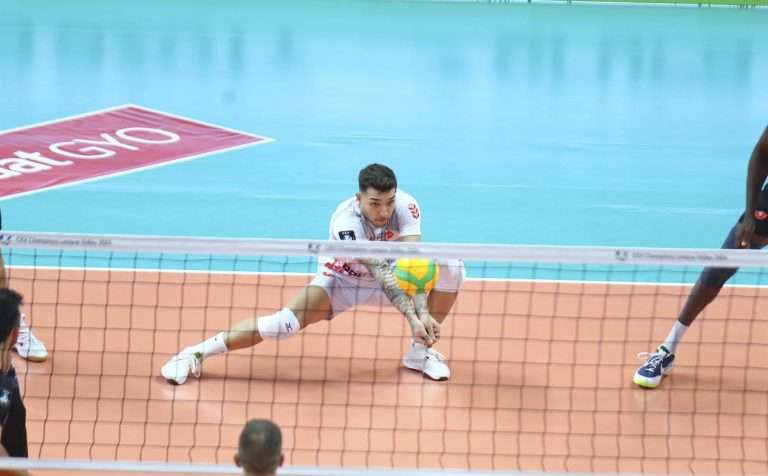
If the attacker doesn’t win the point, the defensive team takes over. A successful dig keeps the ball alive and often shifts momentum. Digs can be clean and controlled or desperate and acrobatic, but every one of them gives the team another chance to transition into offense. This transition phase is one of the most exciting parts of a rally. The team that just defended must quickly reorganize, get the ball to the setter, and launch their own attack. The speed of this transition is what makes volleyball feel so fast and unpredictable. Players who have been part of long rallies know how physically demanding and emotionally thrilling this phase can be.
WHY DO RALLIES In Volleyball MATTER
Rallies in volleyball can last only a few seconds or stretch into long, intense exchanges. Long rallies are often the most memorable moments in a match. They highlight the athleticism of the players, the precision of the setters, the power of the attackers, and the determination of the defenders. Fans love long rallies because they reveal the competitive spirit of both teams. Coaches appreciate them because they show discipline and resilience. Players enjoy them because they often become defining moments of a match. Anyone who has competed in volleyball can recall a rally that felt like it lasted forever, even if it was only a few seconds.
A rally ends when the ball hits the ground, goes out of bounds, or a team commits a fault such as a net touch or double contact. But the impact of a rally goes far beyond the point itself. A long rally can energize a team, shift momentum, or completely change the emotional tone of the match. Even a rally that ends in a lost point can build confidence if the team fought hard and executed well. Volleyball is a sport built on rhythm, and rallies are the foundation of that rhythm. Coaches often talk about “winning the rally battle,” because consistently performing well in rallies usually leads to winning sets.
HOW RALLIES HELP PLAYERS IMPROVE
Understanding rallies helps players improve because it reveals how every touch matters. A strong pass gives the setter more options. A smart set gives the hitter a better chance to score. A disciplined block forces the attacker to adjust. A well‑timed dig keeps the play alive. Each action connects to the next, and the rally becomes a chain of decisions and movements that determine the outcome of the point. Players learn through experience that rallies reward teams that stay calm, communicate clearly, and trust one another.
TO Sum It Up
A rally is more than a sequence of touches — it is the essence of volleyball. It’s where strategy meets instinct, preparation meets improvisation, and teamwork becomes visible. Whether a rally lasts two seconds or twenty, every rally tells a story. That story is what makes volleyball one of the most exciting and dynamic sports in the world.
LENGTH OF RALLIES
| Level of Play | Average Rally Length | Notes |
|---|---|---|
| Recreational | 3–5 seconds | Short rallies due to inconsistent passing and setting. |
| High School | 5–7 seconds | Better ball control leads to longer exchanges. |
| College | 7–10 seconds | Faster pace and stronger defense extend rallies. |
| Professional | 8–12 seconds | High‑level digging and blocking create long, intense rallies. |
| Longest Rallies | 20+ seconds | Rare but unforgettable; often momentum‑shifting moments. |
FAQ: RALLIES IN VOLLEYBALL
Is there anything I need to know to start a rally? A rally begins the moment the server makes contact with the ball.
How does a rally end? A rally ends when the ball hits the ground, goes out of bounds, or a fault is committed, such as a net touch or double contact.
Are longer rallies a sign of better volleyball? Not always, but long rallies usually indicate strong defense, solid ball control, and high effort from both teams.
What is the longest rally ever recorded? Some rallies have lasted over a minute, especially in international women’s volleyball, where defensive play is exceptionally strong.
Other Volleyball Stories To Read