
Why Volleyball Shoes Might Hurt Your Knees

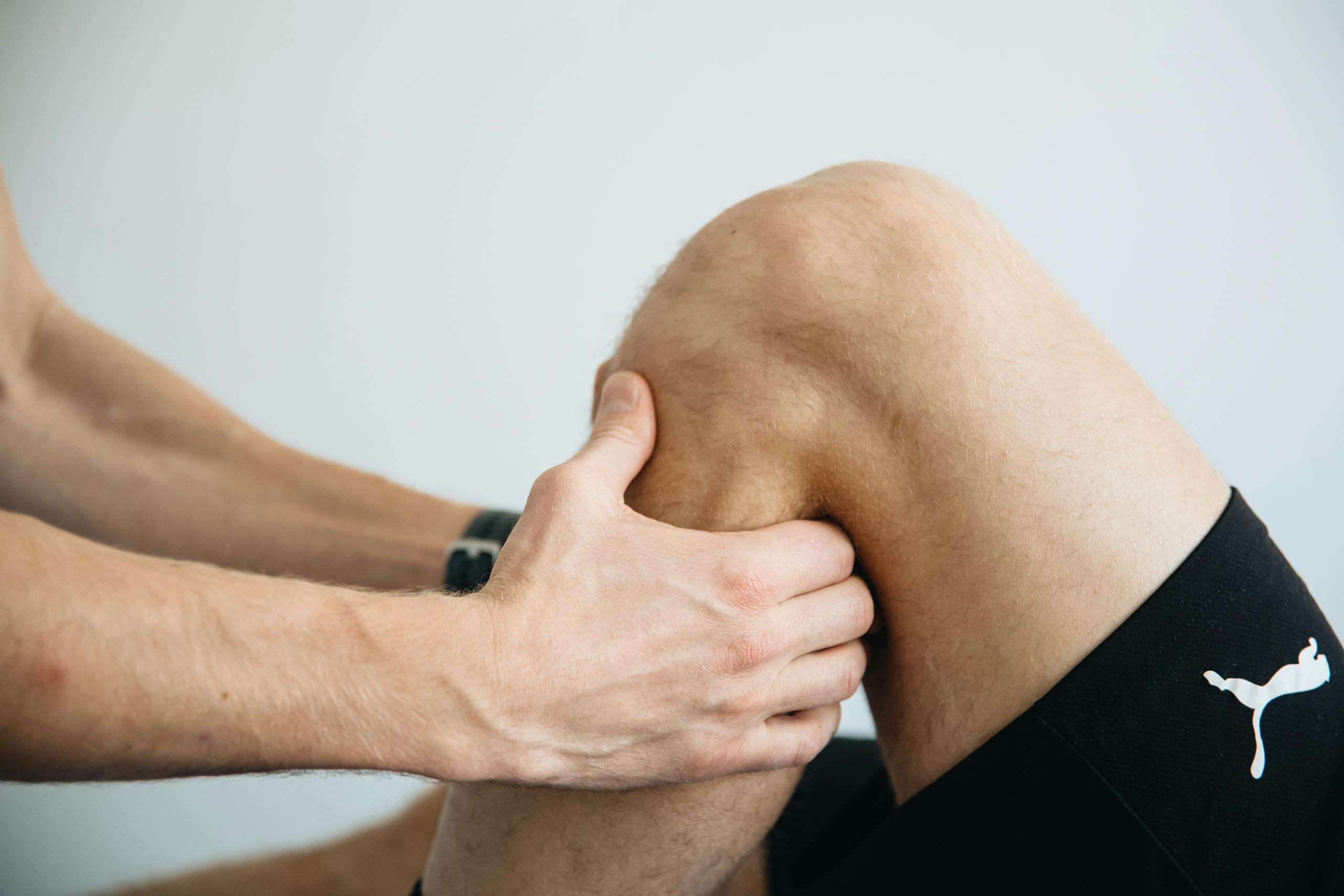
Why Volleyball Shoes might hurt your knees? When volleyball shoes don’t offer proper cushioning, traction, lateral support, or a correct fit, they can place excessive stress on your knees. If the shoe doesn’t soften your landing or keep your foot stable during sideways movement, the impact forces travel directly into your knees, leading to pain, swelling, and potential joint irritation.
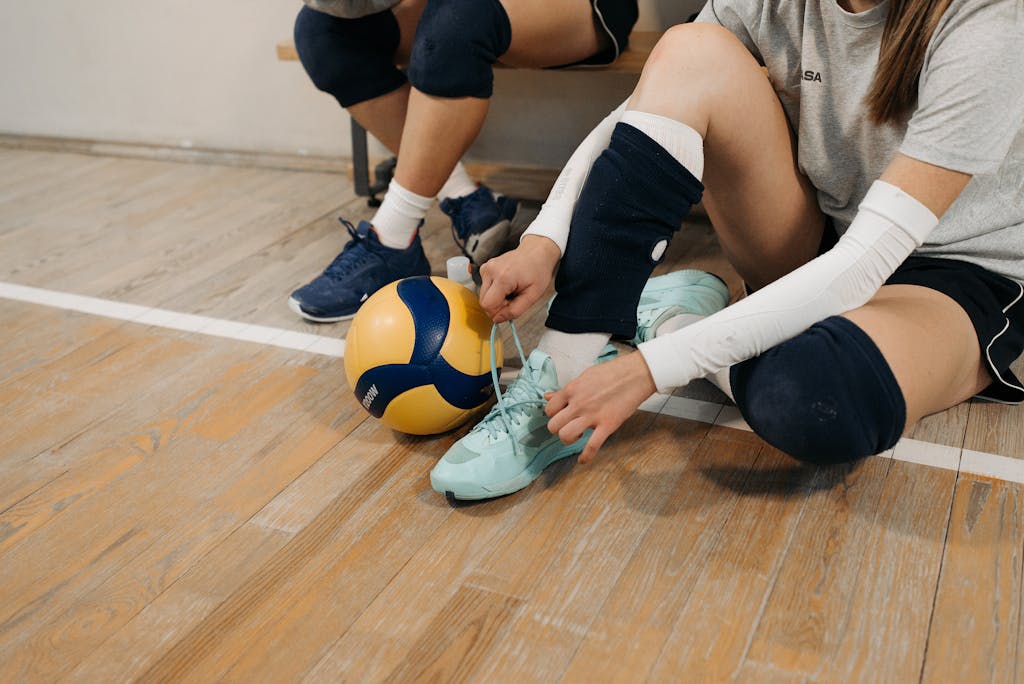
Volleyball Shoes might Hurt Your Knees
Knee pain is a common issue among volleyball players, and the cause often lies in the shoes they wear. Volleyball requires explosive jumping, fast lateral movement, and constant stopping and starting. If your shoes aren’t supporting these actions, your knees absorb the forces your footwear should be handling. Understanding how shoes influence knee mechanics is the first step toward preventing pain and improving performance.
Bad Cushioning Can Make Knee Problems Worse
Cushioning is essential in volleyball shoes, but the wrong type can actually increase knee stress. Your knees must absorb the impact of every jump and landing, and shoes that are too soft allow your foot to sink too deeply into the midsole. This forces your knees to absorb the shock your shoes failed to manage. Shoes that are too firm create the opposite problem, offering little shock absorption and sending the full force of each landing directly into your joints. Effective cushioning compresses just enough to protect your knees and rebounds quickly to support your next movement. When cushioning is unbalanced, your knees end up doing the work your shoes should be doing.
Poor Traction Contributes to Knee Strain
Traction plays a direct role in knee health. Volleyball shoes rely on gum rubber soles to grip indoor hardwood courts, but when the outsole wears down or the traction pattern is ineffective, your foot begins to slide during turns, landings, and defensive movements. Even small slips force your knee to stabilize your body in awkward positions. Over time, this repeated micro‑instability can lead to chronic knee discomfort. Proper traction allows your foot to stop exactly where you intend, reducing unnecessary stress on your knees.
Weak Sidewall Support Affects Knee Rotation
Volleyball requires rapid side‑to‑side movement, and without adequate sidewall support, your foot can roll inward or outward during these motions. When the shoe fails to stabilize your foot, your knee compensates by rotating more than it should. This excessive rotation places stress on the patellar tendon, the IT band, and potentially the meniscus. Shoes with weak sidewalls, loose heel fit, or overly flexible midsoles allow too much internal movement, forcing your knees to correct the instability. Strong sidewall support keeps your foot aligned and reduces rotational stress on your knees.
Other Volleyball Equipment Articles You Can Read

Mismatched Foot Types Lead to Knee Pain
Your foot type has a major influence on how your knees feel during training and competition. Players with flat feet often overpronate, causing the ankle to roll inward and shifting pressure toward the knee. Without proper arch support, this misalignment becomes more pronounced with every jump and landing. Players with high arches face the opposite issue: their feet do not absorb shock efficiently, so their knees take the impact instead. Even players with neutral arches can develop knee discomfort if the shoe does not match their natural movement pattern. When your foot type and shoe structure are mismatched, your knees become the shock absorbers your shoes should have been.
Shoe Weight Affects Knee Stress
The weight of your volleyball shoes influences how your knees respond to movement. Shoes that are too heavy make jumping and quick transitions more demanding, increasing fatigue in the muscles that support your knees. Fatigue leads to poor landing mechanics and greater joint stress. Extremely lightweight shoes can create a different problem: they may lack the structure and support needed to stabilize your foot, causing your knees to compensate. The best volleyball shoes balance lightness with support, allowing you to move efficiently without overloading your joints.
The Hidden Dangers of Old Shoes
Even high‑quality volleyball shoes lose effectiveness over time. Cushioning compresses, traction fades, and the upper loses its ability to secure your foot. As this happens, your knees absorb more impact with every jump and landing. Many players continue wearing old shoes without realizing that the gradual decline in performance contributes to knee pain. Replacing your shoes before they are severely worn is one of the simplest ways to reduce knee stress.
Looking for new volleyball shoes? Here are VolleyGuide’s Top Picks.
Indoor Shoes Used on Outdoor Surfaces
Volleyball shoes are designed specifically for indoor hardwood courts. When used on outdoor surfaces such as concrete or asphalt, the cushioning and outsole degrade much faster. Hard surfaces increase the force of every landing, and indoor shoes are not built to handle that level of impact. This leads to faster midsole breakdown and significantly more stress on your knees. Wearing the correct shoes for the correct surface helps maintain proper shock absorption and reduces joint strain.
Why Poor‑Fitting Shoes Lead to Knee Pain
A poorly fitting shoe can alter your biomechanics without you realizing it. If the heel slips, your knee compensates to stabilize your landing. If the toe box is too tight, your foot cannot expand naturally, reducing your ability to absorb shock. If the midfoot is too loose, your foot rotates inside the shoe, forcing your knee to correct the movement. Even small fit issues can contribute to long‑term knee discomfort because volleyball movements are repetitive and high‑impact. A proper fit ensures your foot moves naturally and your knees remain aligned.
Conclusion
Knee pain in volleyball is often a sign that your shoes are not providing the support you need. Whether the issue is cushioning, traction, stability, fit, or simple wear and tear, improper footwear forces your knees to absorb forces they were not designed to handle. Choosing shoes that match your foot type, position, and playing style — and replacing them when they wear out — can significantly reduce knee stress and improve your overall efficiency on the court. When your shoes provide the right support, your knees experience less strain, your movement becomes smoother, and your performance improves naturally.
What if it’s too late and you’ve already injured your knee? In that case, this article is for you:
FAQ
What is the source of the pain in my knees when I play volleyball?
The most common source of knee pain in volleyball is wearing shoes that fit poorly or lack proper cushioning, traction, and lateral support. When your shoes fail to absorb the impact of your jumps and landings, that force transfers directly into your knees. If your foot cannot stay stable during quick turns or sudden stops, your knees compensate, which increases stress on the joint. Over time, this repeated strain can lead to chronic pain, swelling, and inflammation.
Do volleyball shoes cause knee pain?
Yes, volleyball shoes can contribute to knee pain if they are worn out, lack cushioning, provide inadequate lateral support, or do not match your foot shape or size. Shoes that are too soft, too stiff, or too loose change the way your foot lands and moves. This altered movement pattern forces your knees to absorb more stress, increasing tension on the ligaments and tendons around the joint.
How can I determine whether my volleyball shoes are contributing to knee issues?
If your knees ache after practices or matches—especially after repeated jumping, quick lateral movements, or aggressive defensive actions—your shoes may be the cause. Other signs include slipping on the court, feeling unstable during side‑to‑side movement, noticing uneven or excessive tread wear, or realizing that the cushioning has flattened. When your shoes no longer support your natural movement, your knees take on the extra load.
Are worn‑out volleyball shoes a contributor to knee pain?
Worn‑out shoes are one of the most common contributors to knee pain in volleyball players. As cushioning compresses and traction wears down, your shoes lose their ability to absorb impact and stabilize your foot. This forces your knees to absorb more shock with every jump and landing, increasing stress on the surrounding ligaments and tendons. Replacing your shoes before they are completely worn out can help reduce knee strain.
Does foot shape or foot type influence knee pain in volleyball?
Foot type plays a significant role in knee comfort. Players with flat feet often overpronate, shifting pressure toward the knee. Players with high arches absorb less shock, sending more impact into the joints. Even players with neutral arches can experience knee pain if their shoes do not support their natural movement pattern. When your foot type and shoe structure do not align, your knees end up absorbing the excess force.