
4 Steps To Increase Jump In Volleyball

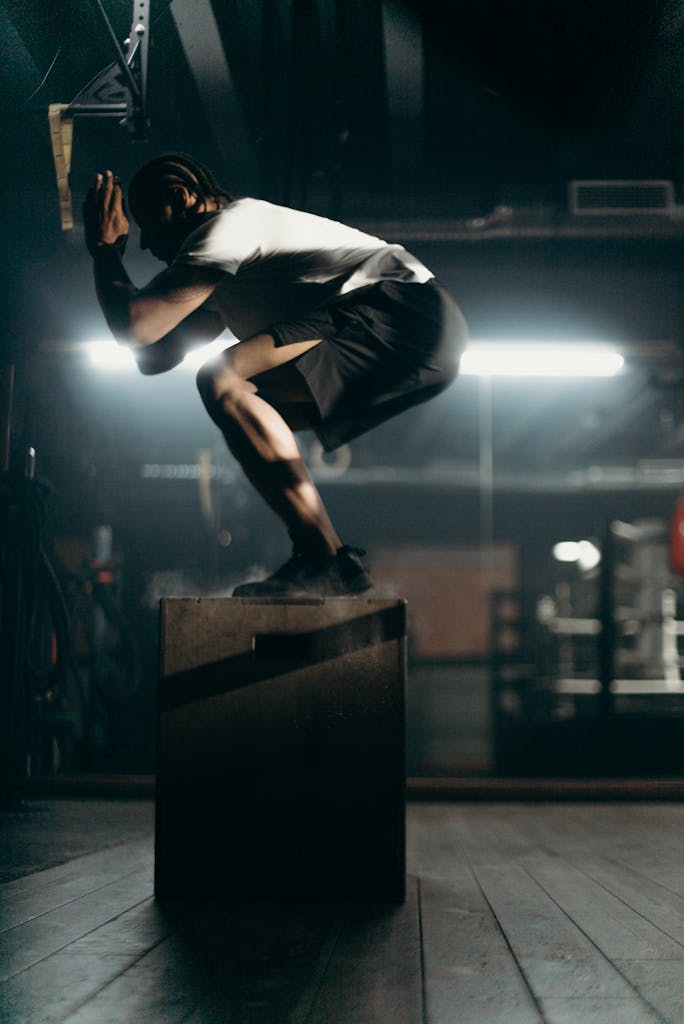
A higher vertical jump is one of the biggest advantages a volleyball player can have. Whether you want to hit over a blocker, close the block faster, or add height to your serve, gaining even a few extra inches can make a noticeable difference. The best part is that you don’t need special equipment or a fancy gym to improve — you just need consistency, proper technique, and a smart training plan.
Below are four essential steps that will help you build a safe and effective approach to increasing your jump.
1. Build a Solid Base of Lower‑Body Strength
You can’t jump higher without strong legs. Your quads, hamstrings, glutes, and calves all work together to generate the force needed to get off the ground. If these muscles aren’t strong enough, your jump height will always be limited, no matter how good your technique is.
Strength‑building exercises that translate directly to jumping:
- Squats (bodyweight or weighted)
- Lunges and reverse lunges
- Glute bridges and hip thrusts
- Romanian deadlifts
- Standing calf raises
Focus on slow, controlled reps and full range of motion. Strength is the foundation — without it, true explosiveness isn’t possible.
2. Add Plyometrics to Develop Explosive Power
Once you’ve built strength, the next step is learning how to use that strength quickly. Plyometrics train your muscles to contract fast, which is exactly what you need for a powerful jump.
Effective plyometric drills include:
- Box jumps
- Broad jumps
- Tuck jumps
- Lateral bounds
- Depth jumps (best for advanced athletes)
Plyometrics should be done with good form and plenty of rest between sets. Quality matters far more than the number of reps.
3. Improve Your Jumping Technique
A lot of players lose height simply because their technique is inefficient. A smooth, coordinated jump can instantly add a few centimeters — no extra strength training required.
Key technique points:
- Use a strong arm swing to help drive your body upward
- Keep your chest up and avoid collapsing forward
- Load your hips by bending at both the knees and hips
- Push through your entire foot — heel to toe — to generate maximum force
- Land softly to protect your joints
Good technique makes your jump more powerful, more efficient, and easier to repeat consistently.
4. Strengthen Your Core for Better Stability and Height
Your core connects your upper and lower body. If it’s weak, you’ll lose power during takeoff and struggle to control your body in the air. A strong core helps you jump higher, swing harder, and land safely.
Core exercises that directly support jumping:
- Side planks
- Dead bugs
- Hollow holds
- Russian twists
- Hanging knee raises
A strong core improves stability during takeoff and helps you transfer power more efficiently.
Additional Tips to Increase Your Vertical Faster
- Warm up properly. Cold muscles don’t jump high.
- Stay consistent. Two to three focused sessions per week is ideal.
- Prioritize recovery. Sleep, hydration, and stretching matter more than most players realize.
- Track your progress. Even small improvements help keep you motivated.
- Don’t ignore technique. Strength + technique = maximum jump height.
Conclusion
Improving your vertical jump comes down to four main components: building strength, developing explosive power, refining your technique, and strengthening your core. When you train these areas consistently, you’ll see real improvement — not just in your jump height, but in your overall performance on the court.