
4 Tips To Improve Blocking In Volleyball

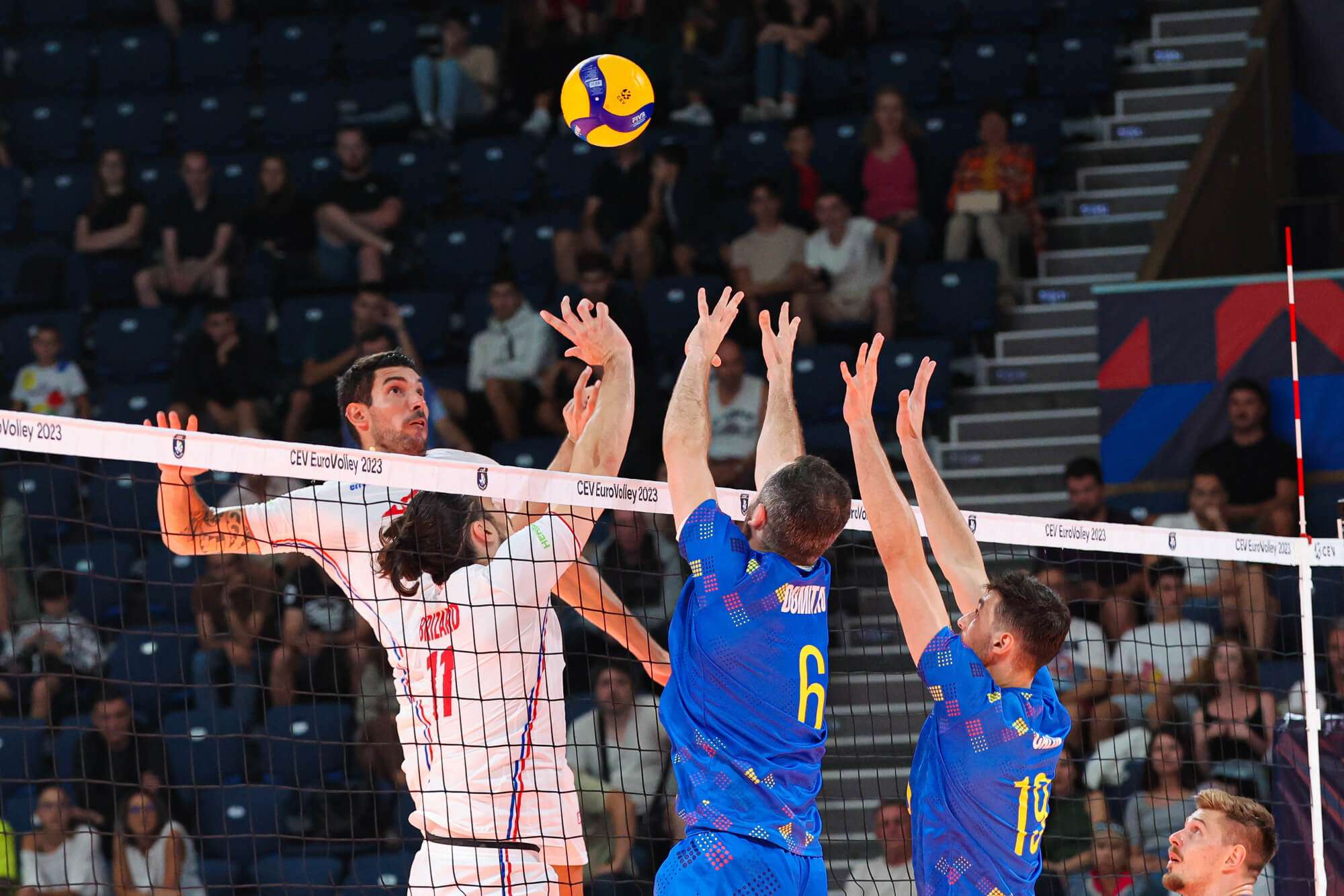
A successful block can instantly shift momentum, boost team energy, and give your offense a better chance to score.
Many front‑row players — middle blockers, outside hitters, and right‑side hitters — struggle with blocking because it requires a combination of timing, footwork, positioning, and control. While height and jumping ability certainly help, neither is required to become an effective blocker.
The four tips below will help you become a more consistent blocker and a stronger defensive presence at the net.
1. Establish Correct Positioning and Stance
Before you can block effectively, you must start in the correct position. If your stance is off, you’ll react slowly, struggle to reach the ball, and fail to close the block properly.
Elements of a strong blocking stance:
- Feet shoulder‑width apart
- Knees slightly bent with weight forward
- Hands up at shoulder height, palms facing the net
- Balanced body position, ready to move in either direction
With proper positioning, you can react quickly to the setter and get into the correct blocking area as the hitter prepares to attack.
2. Watch the Setter and the Hitter
Blocking is all about timing and anticipation. Great blockers read the play early so they can move into position before the hitter even contacts the ball.
What to watch from the setter:
- Body position
- Shoulder direction
- Tempo of the set
- Whether the ball is going inside, outside, or to the middle
What to watch from the hitter:
- Approach angle
- Arm swing
- Whether they are likely to tip, roll, or swing hard
The earlier you recognize the play, the faster you can get in front of the hitter and form a solid block.
3. Develop Effective Footwork to Reach the Block
Footwork is what separates great blockers from average ones. You must move quickly along the net while staying balanced and ready to jump.
Common blocking footwork patterns:
- Shuffle step: Used for small adjustments
- Crossover step: Helps cover more distance
- Three‑step blocking approach: Often used by middle blockers to close the block and eliminate hitting lanes
Your goal is to reach the hitter with your body squared to the net and your feet firmly planted before you jump. Good footwork allows you to close the block and limit the hitter’s options.
4. Jump Straight Up and Get Your Hands Over the Net
Once you’re in position, your jump and hand placement determine how effective your block will be.
Focus on:
- Jumping straight up — avoid drifting sideways
- Getting your hands above the net and penetrating over the ball
- Spreading your fingers wide
- Pressing your hands toward the hitter’s hitting shoulder
The more space your hands take up on the hitter’s side of the net, the greater your chances of blocking or deflecting the ball.
Additional Suggestions to Improve Your Blocking Technique
- Communicate with teammates: Call out hitters and assign blocking responsibilities.
- Work on timing: The closer your jump is to the hitter’s contact point, the more effective your block will be.
- Strengthen your legs and core: Better stability and a higher vertical improve blocking performance.
- Practice hand placement: Small adjustments can turn soft blocks into stuff blocks.
- Record your blocking: Reviewing video helps identify drifting, early or late jumps, and poor penetration.