
How Teams Should Structure Youth Volleyball Development Programs in 2026: Lessons From the U.S., Europe, and Japan

There are so many positive developments happening in the youth volleyball world that it is exciting to imagine what the future holds for young athletes.
Today, more youth athletes are playing volleyball than at any other point in history. As a result, the world’s volleyball governing bodies are under tremendous pressure to create youth development programs that are sustainable, modern, and aligned with long‑term athlete development. Three regions — the United States, Europe, and Japan — currently represent some of the strongest models for structuring youth volleyball programs that support long‑term success.
Global Trends in Youth Development

The rapid increase in youth participation is forcing national and regional volleyball organizations to rethink how they structure their development pathways. The FIVB is encouraging countries participating in its Volleyball Empowerment Program to implement more formalized, athlete‑centered systems. Meanwhile, the expansion of international youth competitions — including the 2026 FIVB Girls’ U17 World Championship in Chile — is raising expectations for how young athletes should be trained.
This leads to a central question facing clubs and federations today: What does a contemporary youth volleyball program look like in 2026?
The U.S. Model: High Participation and Competitive Structure
The United States has built one of the world’s largest youth volleyball ecosystems, driven by high school sports, club volleyball, and a clearly defined national pathway.
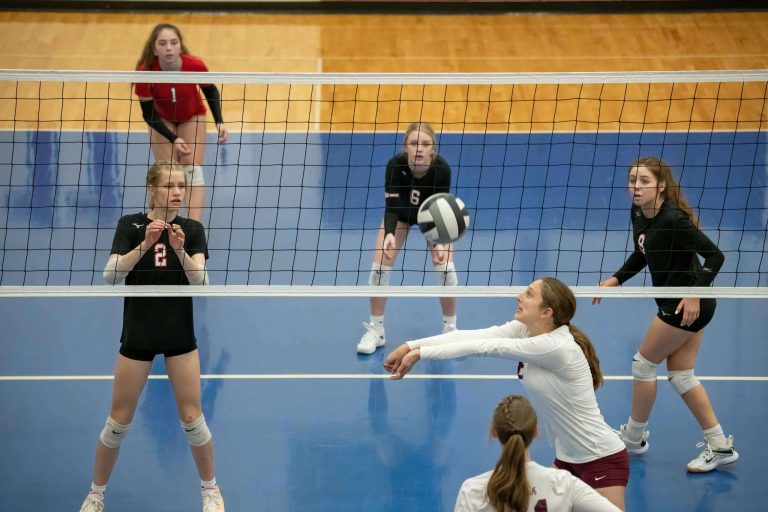
High school volleyball is now the most popular girls’ team sport in the country, surpassing basketball and soccer. Club volleyball operates year‑round, with thousands of tournaments providing a competitive environment that accelerates development. Boys’ volleyball is also expanding rapidly, with new high school programs launching across dozens of states.
A major component of the U.S. system is USA Volleyball’s National Team Development Program (NTDP), introduced in 2021. The NTDP identifies and trains high‑potential athletes through national training sessions, evaluation events, and position‑specific development. It connects youth athletes directly to the U.S. national team pipeline, creating a unified system from grassroots to elite levels.
The U.S. model demonstrates the value of broad participation, regular competition, and clearly defined national pathways. It also shows how private clubs can contribute to development when supported by strong national oversight.
The European Model: School‑Based Development and Federation Leadership
Europe’s youth volleyball system is built on cooperation among schools, clubs, and national federations. The European Volleyball Confederation (CEV) coordinates youth development across the continent.
One of the most influential initiatives is CEV’s Play Volleyball, Grow With It 2.0, which introduces volleyball into primary schools, trains physical education teachers, and provides equipment and curriculum support. This school‑first approach ensures that children learn volleyball early and consistently, regardless of club access.
National federations across Europe emphasize sustainability, coach education, and safe development environments. CEV’s EmpowHER initiative promotes gender equality, while cross‑border development projects help smaller nations build competitive youth systems.
Europe’s strong competition culture further accelerates development. Events like the Cornacchia World Cup in Italy — one of the world’s premier youth volleyball tournaments — expose young athletes to high‑level play and international opponents long before they reach senior levels.
The European model highlights the importance of school integration, federation‑led development, and sustainable long‑term systems.
The Japanese Model: Technical Precision and Cultural Discipline
Japan is widely recognized for producing technically proficient and culturally disciplined volleyball players. Its youth development system is rooted in the school system, where volleyball clubs exist at the elementary, junior high, and high school levels.
Training emphasizes fundamental skills — ball control, footwork, teamwork — before progressing to advanced tactical systems. This strong technical foundation is a major reason Japanese players are known for their consistency and precision.
Japan also invests heavily in international exposure. The JRT Volleyball Academy Overseas Training Camps send youth athletes abroad for high‑performance training and international competition. These experiences help young players adapt to different playing styles and physical demands.
The Japanese model demonstrates the value of technical mastery, school‑based training, and a culturally disciplined environment.
Key Components of a Well‑Structured Youth Volleyball Program in 2026
Drawing from these global examples, a modern youth volleyball program should include several essential elements.
Multi‑Stage Development Pathway
A structured progression helps young volleyball players develop at the right pace:
- Ages 6–10: Fun, movement literacy, mini‑volleyball
- Ages 11–14: All‑skills training and exposure to all positions
- Ages 15–17: Gradual specialization and increased competition
- Age 18+: Elite training and position‑specific mastery
VolleyGuide Training Guides
School and Club Integration
Schools introduce the sport to large numbers of children, while clubs provide year‑round training and competition. Federations should work to integrate both systems to ensure consistency.
Strong Coach Education
Modern youth programs require coaches who understand long‑term athlete development, injury prevention, and age‑appropriate training. Federations must invest in updated certification programs, online learning, and mentorship systems.
International Exposure
Cross‑border tournaments, exchange programs, and international training camps help young athletes adapt to different playing styles and competitive environments.
Athlete‑Centered Philosophy
Youth programs should prioritize long‑term development over short‑term results. This includes balanced training loads, mental health support, and injury‑prevention strategies.
Examples of Successful Youth Volleyball Programs in 2026
United States — NTDP Pipeline The NTDP has created a unified national pathway that identifies and develops top talent through structured training and evaluation.
Europe — CEV School‑Based Projects CEV’s school‑based initiatives have expanded volleyball access across dozens of countries, creating sustainable grassroots growth.
Japan — International Training Camps Japanese academies use overseas training programs to expose athletes to high‑level competition and accelerate development.
A Global Blueprint for the Future
Successful youth volleyball development requires more than talented young athletes — it requires a systematic, sustainable, and long‑term approach. The U.S. model demonstrates the value of broad participation and competitive pathways. The European model shows the power of school‑based integration and federation leadership. Japan highlights the importance of technical precision and cultural discipline.
Together, these systems form a blueprint for how volleyball teams should structure youth programs in 2026: athlete‑centered, technically grounded, internationally connected, and built for long‑term success.