
The #1 Hardest Volleyball Position: The Definitive Answer You Need


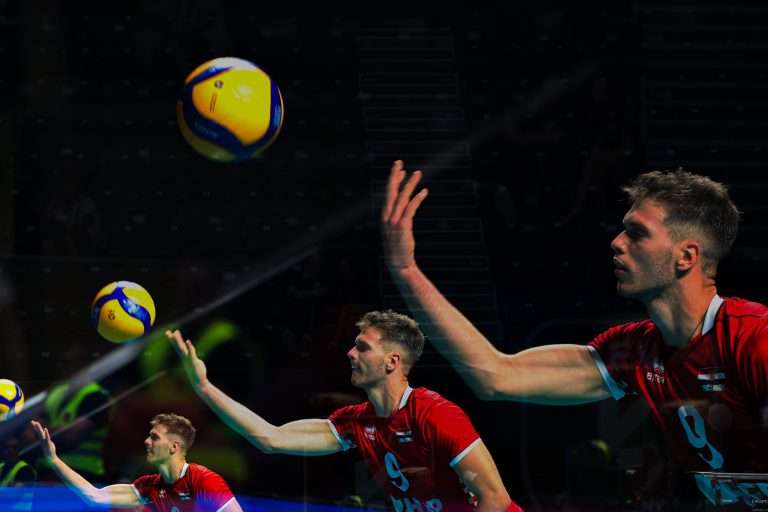
Most players and coaches believe that the setter is the hardest volleyball position. The setter leads the offense and must make split‑second decisions about where to place the ball under intense pressure. They have to read the opponent’s blocking scheme and understand the strengths and weaknesses of their hitters. In many ways, the setter is the quarterback of the volleyball court. While libero, outside hitter, middle blocker, and opposite hitter all come with their own challenges, the hardest position ultimately depends on a player’s strengths and experience.
Why the “Hardest Volleyball Position” Varies by Player
Each volleyball position requires a different blend of physical ability, game knowledge, and mental toughness. What feels difficult for one player may feel natural for another. Some athletes thrive under pressure and enjoy making decisions, while others prefer roles that rely more on explosive athleticism or defensive instincts. Because of this, the position that seems hardest will vary from player to player. It depends on how someone thinks, moves, and reacts to the speed of the game.
Why Setter Is Generally Seen as the Most Challenging Position
The setter is the only position that truly controls the flow of the offense. Every rally runs through them, and they must make the best possible decision in a fraction of a second. They read the blockers, understand their hitters’ tendencies, and choose the right option under pressure. Their footwork must be clean, their hands consistent, and their communication constant. When the pass is perfect, the setter is expected to deliver a perfect set. When the pass is terrible, the setter is still expected to deliver a perfect set. That level of accountability creates a unique combination of technical and mental demands that few other positions match.
The Case for Libero
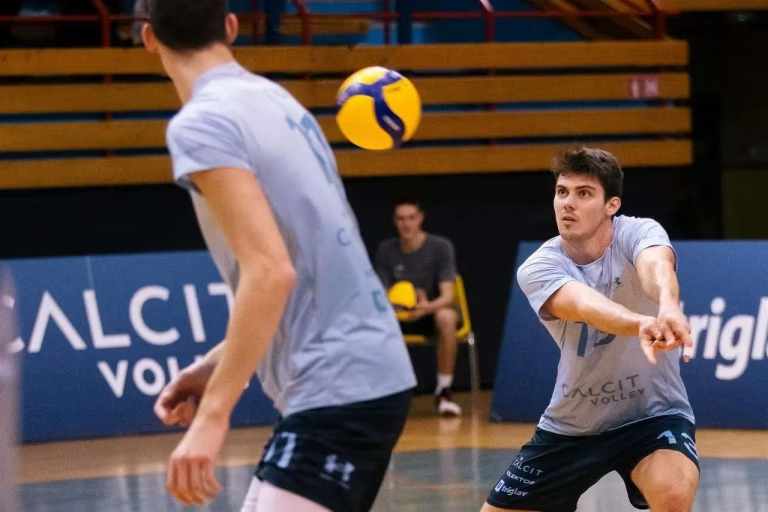
The libero faces a completely different kind of difficulty. As the defensive anchor of the team, the libero must read hitters, react instantly, and control the first touch with precision. Passing and digging require calmness under pressure and the ability to stay focused for long stretches without the reward of scoring points. Liberos often receive the toughest serves and defend the strongest attacks. Even when a play looks lost, the libero is expected to keep the ball off the floor. Because their mistakes are so visible, the position carries a significant amount of mental stress.
Why do some coaches think the libero is the hardest volleyball position?
The Case for Outside Hitter
Outside hitters carry one of the heaviest workloads on the court. They pass in serve‑receive, defend in the back row, attack from the left side, and often take the most swings in a match. When the offense breaks down, the outside hitter becomes the emergency option, which means they must be able to score even when the set isn’t ideal. The position demands endurance, consistency, and the ability to handle pressure on both offense and defense. The all‑around nature of the role makes it physically and mentally taxing.
The Case for Middle Blocker
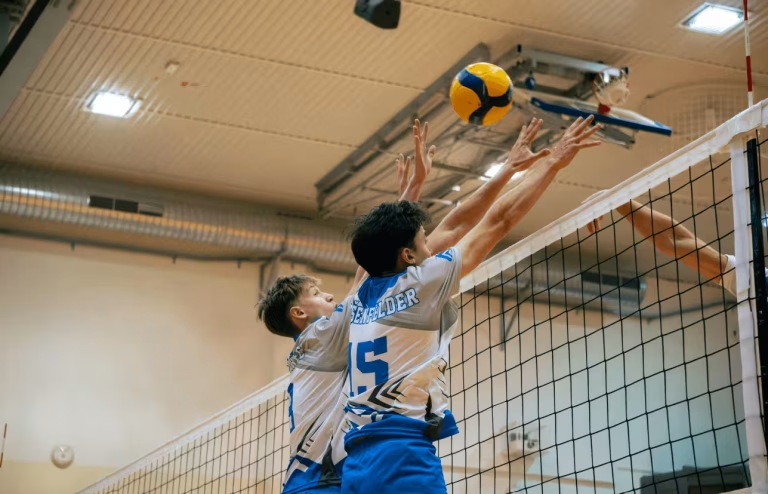
Middle blockers face a different type of challenge. They must read the opposing setter, move quickly along the net, and time their blocks perfectly. Their footwork must be fast and efficient, and their reaction time must be sharp. Offensively, they hit quick sets that require precise timing with their own setter. Defensively, they are responsible for stopping the opponent’s strongest hitters. The position demands athleticism, awareness, and constant focus, even though middles may not touch the ball as often as other players.
Other Volleyball Stories You Can Read
The Case for Opposite Hitter
Opposite hitters are often the go‑to scorers, especially in high‑pressure moments. They attack from the right side, block the opponent’s outside hitter, and sometimes act as a secondary setter when the setter digs the first ball. Their role requires power, height, and the ability to score against strong blocks. The pressure to produce points consistently can make the position mentally challenging, particularly in tight matches.
Which Position Is Hardest for New Players?
For beginners, the setter position is usually the most difficult because it requires advanced ball control and decision‑making. Libero can also feel challenging because reading the game and controlling the first touch take time to develop. Outside hitter is often the easiest place for new players to start because it allows them to learn the fundamentals while contributing in multiple areas.
Which Position Is Hardest at Higher Levels?
At higher levels of competition, the setter position becomes even more demanding. The game speeds up, the number of offensive options increases, and the expectations rise. Liberos face tougher serves and harder attacks, while hitters must deal with stronger blocks and faster defenses. Every position becomes challenging in its own way, but the setter still carries the greatest mental load.

Conclusion
Every volleyball position is difficult, and each one comes with its own set of demands. The setter is generally viewed as the hardest because of the responsibility, decision‑making, and precision required. However, libero, outside hitter, middle blocker, and opposite hitter all present their own unique challenges. Ultimately, the hardest position is the one that tests a player’s strengths the most. Understanding the demands of each role helps players appreciate the complexity of the sport and the teamwork required to succeed.
Learn more about each volleyball position: