
How to Block in Volleyball: 5 Essential Techniques for Every Player

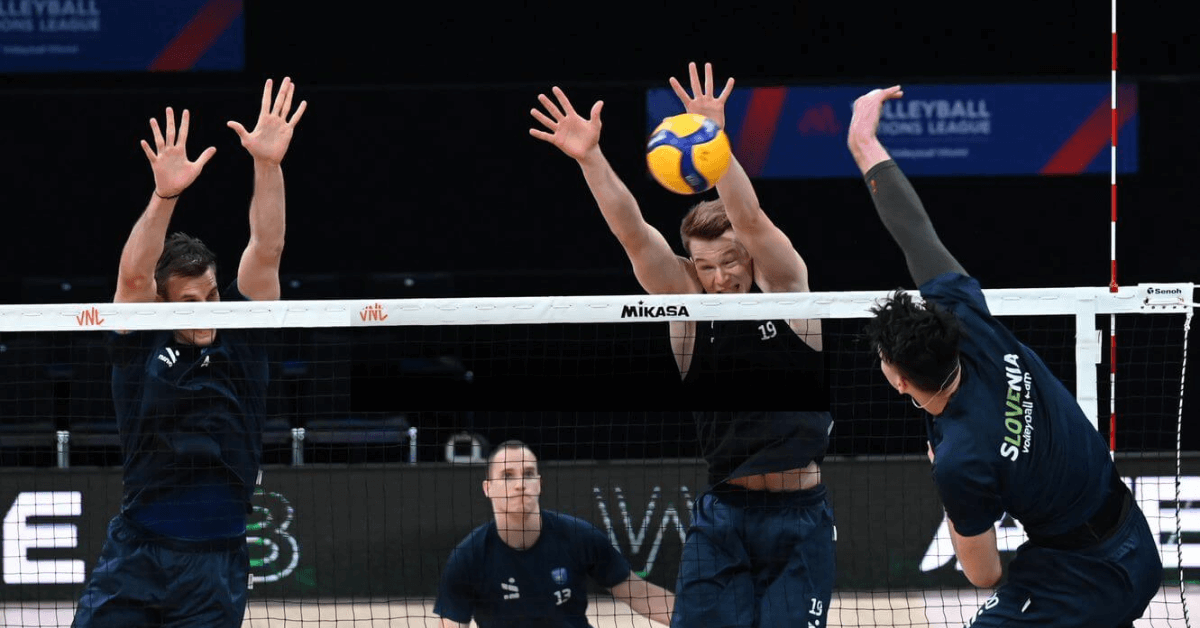
How to block in volleyball? A perfectly timed block can eliminate the opponent’s opportunity to score and create momentum and energy in a way few other plays can. From the outside, blocking may appear simple; however, blocking effectively requires timing, proper body positioning, efficient footwork, and a high level of commitment. Whether you’re a Middle Blocker, Outside Hitter, or Right‑Side Player (opposite), learning how to block more effectively will undoubtedly increase your impact as a front‑row defensive specialist.
1. Establish Yourself in the Correct Position and Posture
Every successful block begins long before the ball is set. Your initial position determines how quickly you can move along the net and how effectively you can recognize and anticipate the opponent’s attack.
Important aspects of your position:

- Your feet should be shoulder‑width apart.
- Your knees should be slightly bent, with your weight forward.
- Your hands should be positioned above your shoulders, with your palms facing the net.
- Your body should be ready to move quickly in either direction.
Proper posture enables you to react quickly to both the setter and the attacker.
2. Read the Opponent’s Plan of Attack
Effective blocking relies just as much on anticipation as it does on the physical act of blocking. Top blockers can read the opponent’s intentions before the ball is hit.
Key things to watch for from the setter:
- The setter’s body position
- The direction of the setter’s shoulders
- The tempo of the set
- Whether the ball is going inside, outside, or to the middle
Things to watch for from the hitter:
- The angle of the hitter’s approach
- The hitter’s arm swing
- Whether the hitter intends to tip, roll, or swing hard
The sooner you can read the opponent’s plan of attack, the better positioned you will be to establish the correct blocking position.
3. Utilize Efficient Footwork to Get to the Block
Efficient footwork is what separates average blockers from great blockers. When you move along the net with balance and control, you can jump more effectively to intercept the attack.
Types of footwork used by blockers:
- Shuffle step: For small adjustments
- Crossover step: For covering longer distances
- Three‑step block approach: Commonly used by middle blockers to close the block
Your objective is to arrive at the hitter with your body squared to the net and your feet planted before you jump.
Other Volleyball Articles To Read

4. Jump Straight Up and Penetrate Over the Net
Once you are in position, your jump and hand placement determine the quality of your block.
Focus on:
- Jumping straight upward — avoid drifting sideways
- Penetrating your hands over the net
- Spreading your fingers wide
- Directing your hands toward the hitter’s hitting shoulder
Penetration is the key. The more space your hands occupy on the hitter’s side of the net, the greater the chance of blocking or deflecting the ball.
5. Land Safely and Prepare for the Next Action
Blocking does not end when you touch the ball. You must land safely and immediately prepare for the next play — whether transitioning to attack or reacting to a blocked ball.
Remember:
- Land on both feet
- Stay balanced
- Transition off the net quickly
- Keep your eyes on the ball
Great blockers do not admire their blocks — they stay ready for the next play.
Bonus Ideas for Improving Blocking
- Communicate with your teammates. Call out the hitter, set direction, and blocking assignments.
- Practice timing. Jumping too early or too late reduces your effectiveness.
- Improve your vertical. Strong legs and explosive power help you reach higher.
- Work on hand positioning. Small adjustments can turn a soft block into a stuff block.
- Film your blocking. Video helps you identify drifting, late jumps, and poor penetration.
Conclusion (How To Block In Volleyball?)
Blocking is the combination of positioning, reading the play, footwork, timing, and hand control. When you master the fundamentals of blocking, you become a dominant presence at the net and a valuable asset to your team’s defense. With consistent practice, blocking can become one of your strongest skills.rn, still need to know which area of the court to cover—be it diagonal or line—and when to assist middles in blocking pipes or first tempos.
You might find interesting also: