
What Is Quick Attack In Volleyball

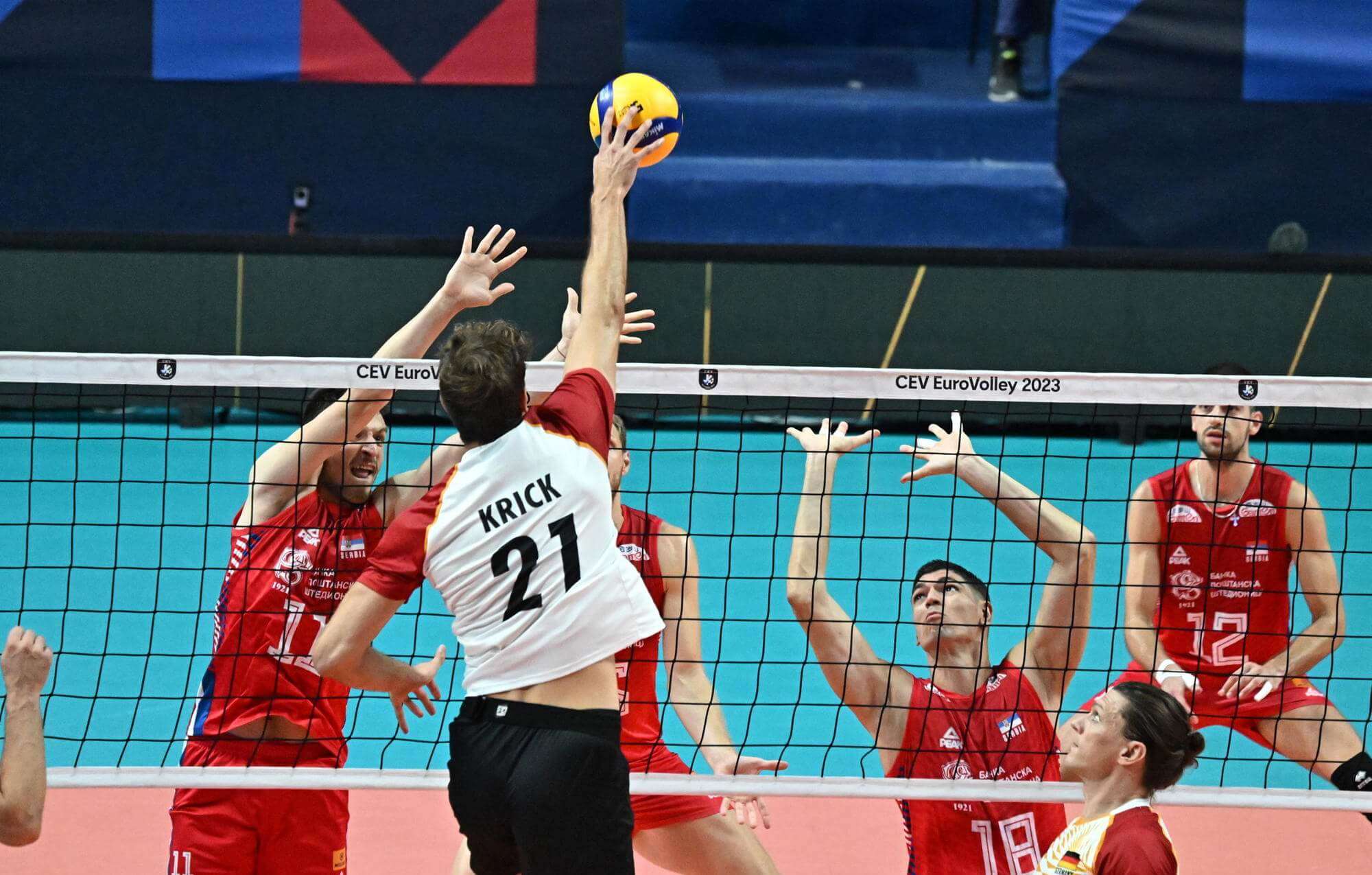
A first‑tempo (quick) attack is one of the fastest and most powerful ways to score in volleyball. In this play, the middle blocker reaches the top of their jump before the setter even contacts the ball, allowing the hitter to strike before the defense can get into position. Because the attack happens so quickly, the opposing blockers have very little time to react, making the quick attack extremely difficult to stop.
Whether you’re a young middle blocker, a setter looking to speed up your offense, or a coach aiming to make your team more efficient, learning how to run a quick attack is essential.
How Does the Quick Attack Work?
A quick attack relies on timing, speed, and accuracy. The middle blocker begins their approach early — usually on the second step as the pass reaches the setter — which forces the defense to react immediately.
A typical quick attack unfolds like this:
- The pass to the setter is clean, allowing the middle to be set.
- The middle blocker approaches early and jumps as the setter contacts the ball.
- The setter delivers a fast, low set.
- The middle blocker meets the ball at its highest point.
- The ball is attacked before the defense can form a block.
When executed correctly, the quick attack is nearly impossible to defend.
Why the Quick Attack Is So Effective
1. Forces the Opponent’s Middle Blocker to Commit Early
The opposing middle must jump with your middle, which opens space for your outside and opposite hitters.
2. Creates Zero‑Block or One‑on‑One Situations
Because the play is so fast, wing blockers rarely have time to close the block.
3. Speeds Up the Entire Offense
Running quick attacks increases your team’s overall tempo, making your offense harder to predict.
4. Disrupts Defensive Rhythm
Back‑row defenders have less time to position themselves, increasing your chances of scoring.
Types of Quick Attacks
Quick attacks vary based on spacing and timing. Each type forces the defense to adjust differently, creating opportunities for your pin hitters.
1. “1” or “Quick”
A fast set directly in front of the setter, close to the net.
2. “31” or “3”
A quick set slightly left of the setter, between positions 3 and 4.
3. “Back‑1”
A quick attack set directly behind the setter.
4. “Slide”
A one‑footed attack where the middle moves behind the setter and hits off one leg.
Each variation creates different angles and scoring opportunities.
What Determines a Successful Quick Attack?
1. Proper Timing
The middle blocker should already be in the air when the setter releases the ball.
2. Consistent Footwork
Middle blockers use a two‑ or three‑step approach to reach the top of their jump on time.
3. A Fast, Clean Set
The setter must deliver a low, quick ball with minimal arc.
4. Strong Communication
Setter and middle must constantly communicate about spacing, tempo, and timing.
5. A Solid Pass
Without a clean pass or dig, the quick attack cannot be run.
When to Run a Quick Attack
Quick attacks are most effective when:
- The team receives a clean (“#”) or positive (“+”) pass
- The setter is in rhythm
- The middle blocker has strong timing
- The opponent’s middle blocker is slow or out of position
- You want to create space for your outside or opposite hitters
Quick attacks are especially useful early in sets to force the opponent’s middle blocker to respect the middle, opening the court for your pin hitters.
Conclusion
A quick attack is a highly effective offensive weapon built on precision, timing, and speed. It forces the defense to react instantly and creates high‑percentage scoring opportunities. When executed properly, the quick attack becomes the foundation of a fast, unpredictable, and efficient offense.